Last Updated on November 14, 2026
Florida’s Gulf Coast has a reputation for calm, bathwater-warm water and soft white sand.
Most days, that reputation is deserved. But “calm” isn’t the same as “safe.”
From rip currents in the Panhandle to red tide in Southwest Florida, some Gulf beaches come with real risks that catch visitors off guard every year.
Here are the most dangerous beaches on Florida’s Gulf Coast, what makes them risky, and why people keep coming back anyway.
Booking a last-minute trip to Florida?
If so, we have you covered. Here are some top recommended tours and experiences!
Top Tours in Florida – Viator
Top Hotels In Florida – Booking.com
Looking To Get Around In Florida?
Check out rental car rates here! 🚗

1. Panama City Beach (Rip Currents)
Why it’s dangerous:
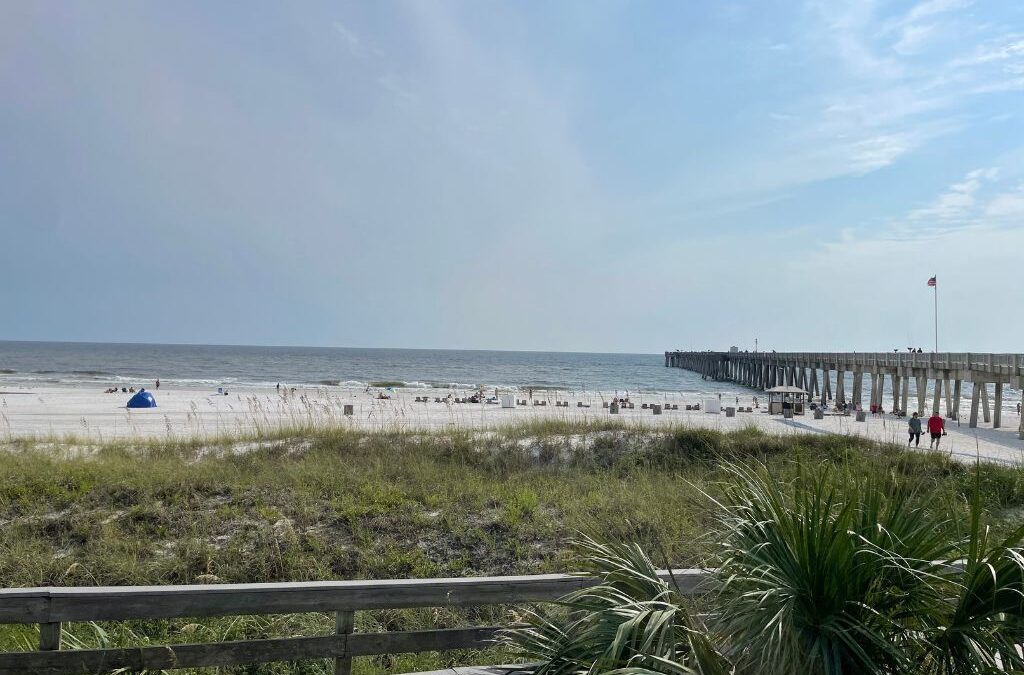
Panama City Beach is the Gulf beach most often in the news for drownings, and rip currents are almost always the cause.
When the surf picks up, especially in summer, narrow channels of fast-moving water can pull even strong swimmers away from shore.
There have also been a few notable shark attacks in Panama City Beach in recent years, but overall, the city is relatively pretty safe in that aspect.
Why visitors still go:
The emerald water and sugar-white sand are some of the prettiest in the country. Pier Park, Russell-Fields Pier, and St. Andrews State Park make it an easy family trip.
Locals watch the flag system closely. Double red means the water is closed, and Bay County can fine people who go in anyway.

2. Pensacola Beach (Rip Currents & Jellyfish)
Why it’s dangerous:
Pensacola Beach sees many of the same rip current conditions as Panama City Beach, especially when storms are churning out in the Gulf.
Late summer also brings jellyfish, including Portuguese man o’ war, which can wash up on the sand and still sting.
Why visitors still go:
It’s one of the most beautiful stretches of the Panhandle, with the Gulf Islands National Seashore right next door. The vibe is laid-back and less crowded than Destin.

3. Destin (Crowds, Rips & Sandbars)
Why it’s dangerous:
Destin’s sandbars are a big part of its charm, but the deep troughs between them can surprise swimmers who wade out and suddenly lose their footing.
Rip currents tend to form near those sandbar breaks. Add peak-season crowds and it gets hard for lifeguards to watch everyone.
Why visitors still go:
Crab Island, the harbor, the fishing fleet, and that famous water color. Destin is the Panhandle’s headline act for a reason.

4. Fort Myers Beach (Red Tide & Storm Recovery)
Why it’s dangerous:
Southwest Florida gets red tide more often than most of the state. During a bloom, people can deal with coughing, burning eyes, and dead fish on the sand.
Fort Myers Beach has spent the last few years rebuilding after back-to-back hurricanes, so you may still see construction in some areas.
One thing I miss about Fort Myers Beach is the pier that was destroyed from the hurricane in 2022, but I’m happy to see the city rebuilding and taking on a good amount of visitors again.
Why visitors still go:
The beach is wide, flat, and great for families. The town’s comeback story has made a lot of longtime visitors more loyal than ever.
5. Clearwater Beach (Stingrays)
Why it’s dangerous:
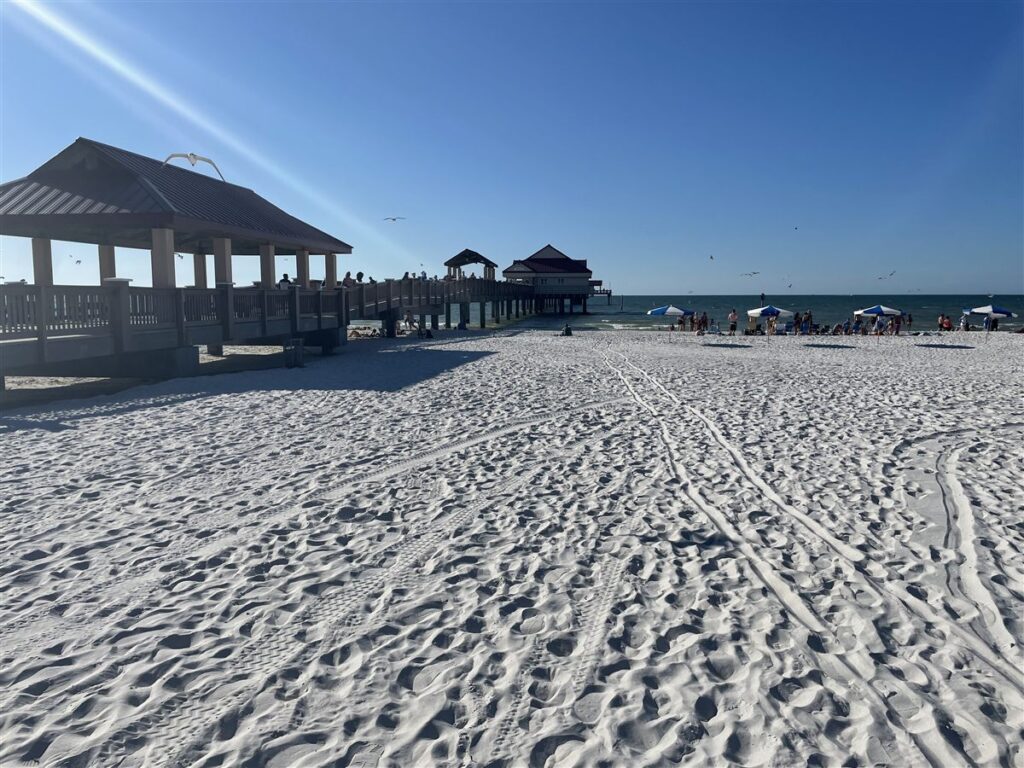
Clearwater’s calm, shallow water is perfect for stingrays, which bury themselves in the sand near shore.
Step on one and you’ll find out why locals do the “stingray shuffle.”
Why visitors still go:
Clearwater is regularly ranked among the best beaches in the country, with Pier 60 sunsets and a lively beach strip.
6. Naples (Lightning)
Why it’s dangerous:
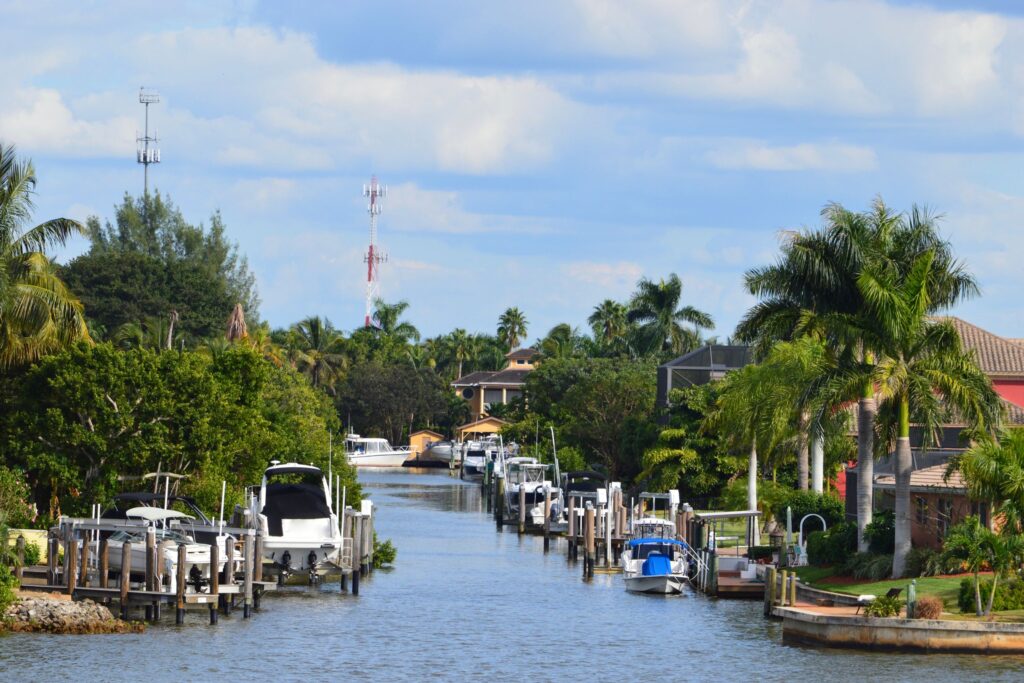
Southwest Florida is one of the most lightning-prone areas in the country. Summer afternoon storms roll in fast, and a wide open beach is the worst place to be.
Why visitors still go:
Calm water, the historic Naples Pier, and some of the best sunsets in the state. The fix is simple: go in the morning and leave at the first rumble of thunder.
7. Siesta Key (Bacteria Advisories)
Why it’s dangerous:
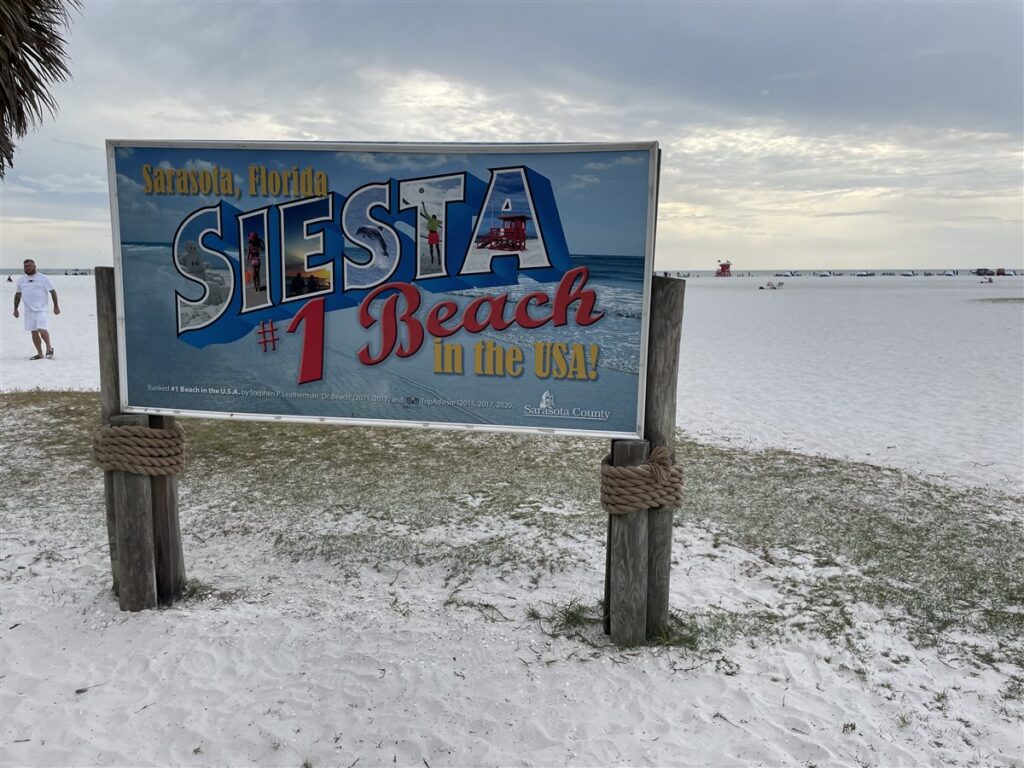
After heavy rain, runoff can raise bacteria levels and trigger no-swim advisories at Sarasota County beaches.
Why visitors still go:
That cool, powdery quartz sand is famous for a reason. Just check the Florida Healthy Beaches water quality report before you swim.

How To Stay Safe On The Gulf Coast
✅ Learn the beach flag colors before your trip. Red means danger, double red means stay out.
✅ If you’re caught in a rip current, swim parallel to shore, not against it.
✅ Shuffle your feet in shallow water to scare off stingrays.
✅ Check red tide and water quality reports before you go.
✅ Get off the beach at the first sound of thunder.
✅ Swim near a lifeguard stand whenever you can.

Final Thoughts: The Most Dangerous Beaches On Florida’s Gulf Coast
The Gulf Coast is still one of the best places in America for a beach vacation.
The water is warm, the sand is soft, and the sunsets are unbeatable. But calm-looking water can fool you.
Know the risks, follow the flags, and you’ll be just fine.
Safe travels!
Always On The Shore contains affiliate links and if you make a purchase, we make a small commission at no cost to you.
For more information, please read the disclaimer page.