When most people picture Florida’s beaches, they think of turquoise water, soft sand, and endless sunshine.
And they’re right—Florida is home to some of the most beautiful coastal spots in the U.S.
But not every stretch of shoreline is as safe as it is stunning. From strong rip currents to sharks and even bacteria, some Florida beaches come with serious warnings.
Still, locals and visitors keep going. Why? Because these beaches, despite their risks, offer unforgettable views, epic surf, and uniquely Florida experiences that are hard to resist.
Here are the 7 most dangerous beaches in Florida, what makes them risky, and why visitors, including me, still love them.
Booking a last-minute trip to Florida?
If so, we have you covered. Here are some top recommended tours and experiences!
Top Tours in Florida – Viator
Top Hotels In Florida – Booking.com
Looking To Get Around In Florida?
Check out rental car rates here! 🚗
1. New Smyrna Beach (Shark Bite Capital of the World)
Why it’s dangerous:
New Smyrna Beach has earned a reputation as the “shark bite capital of the world,” and not without reason.
It consistently leads global statistics for the most shark bites per year. The shallow, murky waters near Ponce Inlet attract both baitfish and surfers—an unfortunate combo that leads to accidental bites.
In fact, Volusia County (where New Smyrna Beach is located) often logs more shark bites annually than entire countries.
Why visitors still go:
Shark bites here are almost always minor and rarely fatal. Locals know the odds—millions swim safely every year.
Surfers love the consistent waves and long sandbars. The small-town charm, beachside restaurants, and laid-back vibe also keep people coming back.
New Smyrna isn’t just about the risk—it’s also one of the best beach towns in Florida for surf culture and scenic sunrise walks.

2. Panama City Beach (Deadly Rip Currents)
Why it’s dangerous:
Panama City Beach is beautiful but infamous for deadly rip currents, especially in summer.
These powerful, narrow channels of fast-moving water can quickly pull swimmers far from shore.
In 2023 alone, a series of drownings made national news, with lifeguards overwhelmed by the strength and frequency of the currents.
When the Gulf is calm, it’s dreamy. But when conditions shift, even strong swimmers can be in danger.
Why visitors still go:
The white quartz sand and emerald water are hard to beat.
Panama City Beach offers family-friendly attractions, great fishing, and beautiful sunsets.
Locals stay aware of the flags on the beach—red or double red means stay out of the water.
Plus, the nightlife, festivals, and iconic pier draw people year-round.

3. Siesta Key Beach (Hidden Bacteria Risks)
Why it’s dangerous:
Siesta Key is known for its powdery white sand and turquoise water, but recent years have brought bacteria concerns.
Storm runoff and warm summer temps can lead to spikes in fecal bacteria, which occasionally cause no-swim advisories due to high enterococci level.
These bacteria can cause stomach illness, skin rashes, and infections, especially in children or those with open wounds.
Why visitors still go:
Siesta Key consistently ranks as one of the top beaches in the U.S. Its soft, cool sand never gets hot, even in the blazing sun, and the sunsets here are legendary.
Just be sure to check water quality updates before swimming and avoid the water after heavy rain.
For many, the beauty and charm of this beach far outweigh the rare but real risks.
Learn more about dangerous bacteria at Florida beaches, here.

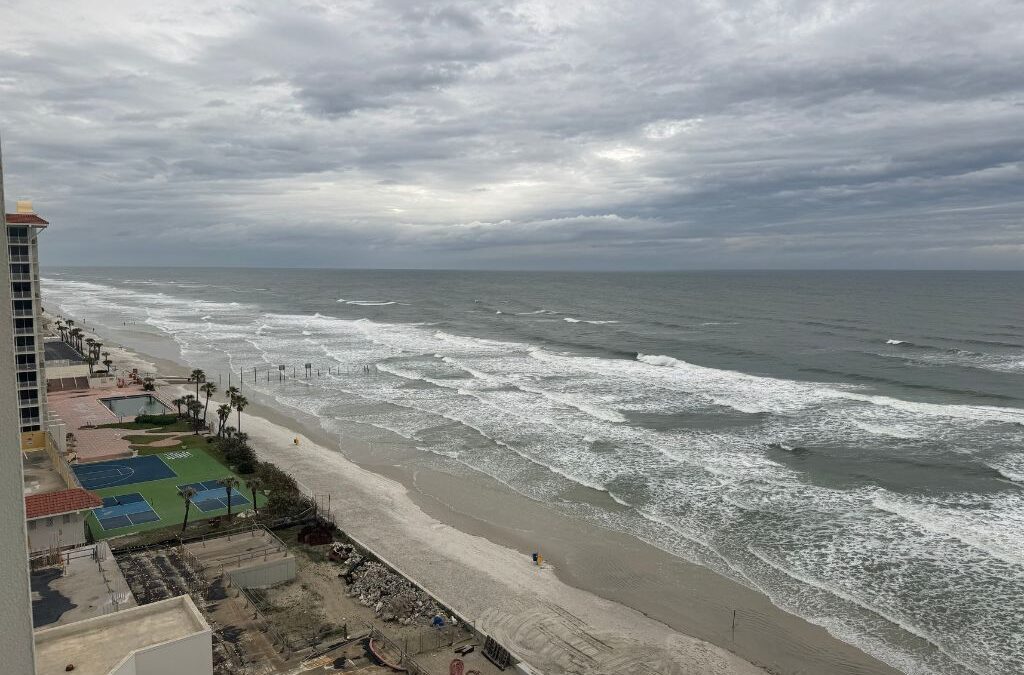
4. Daytona Beach (Beach Driving Accidents & Currents)
Why it’s dangerous:
Daytona is one of the few places in the U.S. where you can drive your car right on the beach, but that’s not always a good thing.
Vehicle-related accidents have occurred, including incidents involving pedestrians and children.
Additionally, Daytona’s surf can be rough, with strong rip currents and shifting sands creating unpredictable swim conditions.
Why visitors still go:
Daytona Beach is iconic. From Bike Week to spring break to NASCAR fans flooding in during race season, it’s a cultural hotspot.
Families enjoy tailgating right on the beach, and locals love fishing off the pier or watching the sunrise from their car with a hot coffee.
The beach is wide, and the waves are fun for bodyboarding. Despite the risks, Daytona offers a nostalgic slice of old-school Florida that keeps people coming back.

5. Fort Lauderdale Beach (Theft & Urban Hazards)
Why it’s dangerous:
Fort Lauderdale Beach isn’t known for natural dangers like rip currents or sharks, though they exist.
Instead, the biggest concerns are urban-related, like petty theft, car break-ins, and occasional altercations during peak season or late-night bar crawls.
Its location near a major metro area means more foot traffic, more tourism, and yes, more opportunity for crime, especially when people leave valuables unattended on the sand.
Why visitors still go:
Fort Lauderdale Beach is stunning, with swaying palms, a scenic promenade, and a backdrop of luxury high-rises.
Locals love the vibrant energy, the beachside restaurants, and the walkability. Plus, the beach is very accessible and offers clear water and great amenities.
For many, the key is being smart—don’t leave your phone and wallet in plain sight, stay in well-lit areas, and avoid wandering alone late at night.

6. Naples Beach (Lightning Strike Danger)
Why it’s dangerous:
Naples might seem serene, but it’s located in one of the lightning capitals of the United States.
Florida leads the country in lightning strikes, and the Gulf Coast, including Naples, is particularly vulnerable in the summer months.
Afternoon storms roll in fast, catching beachgoers off guard and leading to occasional lightning-related injuries or even fatalities.
Why visitors still go:
Naples Beach is gorgeous with relatively calm waters, clean sand, and some of the most spectacular sunsets in the state.
It’s also known for its iconic pier, upscale dining, and peaceful atmosphere.
Visitors should keep an eye on the weather and pack up at the first sound of thunder, and plan beach days in the morning to beat the storms.

7. Pensacola Beach (Jellyfish & Marine Hazards)
Why it’s dangerous:
Pensacola Beach has its fair share of rip currents, but one of the most common issues here, especially in late summer, is jellyfish stings.
Portuguese man o’ war and moon jellyfish can both be found offshore, and unsuspecting swimmers can suffer painful stings, particularly during bloom seasons.
In addition, stingrays and sea lice (microscopic jellyfish larvae) have caused discomfort for swimmers in the warmer months.
Why visitors still go:
Pensacola Beach is a Panhandle paradise, with sugar-white sand and clear, emerald water.
Families love it, locals swear by the fishing, and the beach town charm is unbeatable.
What You Can Learn From the Locals
Locals understand that no beach is without risk, whether it’s natural or human-made. But they also know how to navigate those risks. Here’s how:
✅ Check beach flags before swimming. Red means danger.
✅ Avoid swimming after storms – bacteria levels spike.
✅ Don’t swim alone and avoid remote stretches of shoreline.
✅ Stay alert at urban beaches and secure your valuables.
✅ Respect wildlife – including jellyfish, stingrays, and sharks.
✅ Know where the lifeguards are and stay within sight of them.
✅ Leave the beach at the first sign of lightning.

Final Thoughts
Despite the dangers, each of these beaches remains wildly popular for one reason: they’re incredible.
Whether it’s the perfect surf at New Smyrna, the powder-soft sand at Siesta Key, or the high-energy boardwalk at Daytona, each destination offers something unique.
Locals and seasoned visitors know the risks, but they also know how to avoid the worst-case scenarios.
Florida’s beaches are wild, unpredictable, and sometimes dangerous. But they’re also magical, and that’s what keeps people coming back again and again.
So yes, these beaches come with warnings. But they also come with waves, sunsets, and stories you’ll never forget.
Safe travels!

Follow Our Discover Florida Facebook Page!
We’re Also On Pinterest!
Booking a last-minute trip to Florida?
If so, we have you covered. Here are some top recommended tours and experiences!
Top Tours in Florida – Viator
Top Hotels In Florida – Booking.com
Looking To Get Around In Florida?
Check out rental car rates here! 🚗