Last Updated on November 18, 2026
Florida’s Atlantic Coast is one of the most beautiful stretches of shoreline in the country.
From Jacksonville down to the Treasure Coast, you get wide sandy beaches, warm water for most of the year, and some of the best waves on the East Coast.
But those same waves come with a catch. The Atlantic side of Florida has powerful rip currents, crowded surf breaks, and more shark bites than anywhere else on the planet.
Some of the most popular beaches in the state also rank among the most dangerous in the country. Lifeguards here make thousands of rescues every single year.
And yet, millions of people keep coming back. Locals surf every morning, families pack the sand every summer, and spring breakers keep the tradition alive.
Here are 7 of the most dangerous beaches on Florida’s Atlantic Coast, why they earned that reputation, and why people still can’t stay away.
Booking a last-minute trip to Florida?
If so, we have you covered. Here are some top recommended tours and experiences!
Top Tours in Florida – Viator
Top Hotels In Florida – Booking.com
Looking To Get Around In Florida?
Check out rental car rates here! 🚗

1. New Smyrna Beach
Why it’s dangerous:
New Smyrna Beach has a nickname most towns would try to hide: the shark bite capital of the world.
According to the International Shark Attack File at the University of Florida, Volusia County records more unprovoked shark bites than any other place on Earth, and most of them happen at New Smyrna. In 2025, Volusia County accounted for six of Florida’s eleven unprovoked bites.
The reason is pretty simple. New Smyrna is one of the busiest surf spots in the country, and huge schools of baitfish move close to shore. Blacktip and spinner sharks follow the fish, and a surfer’s hand or foot splashing in murky water near the inlet sometimes gets mistaken for a meal.
The good news? Most bites here are minor, and fatal attacks are extremely rare.
Why people still visit:
The surf is consistently good, the town has a laid-back charm, and Flagler Avenue is packed with restaurants, surf shops, and bars just a short walk from the sand.
Locals will tell you the sharks have always been there. They simply stay away from the inlet, avoid swimming at dawn and dusk, and leave the shiny jewelry at home.
Canaveral National Seashore is also just to the south, with miles of undeveloped beach that feels like old Florida.

2. Daytona Beach
Why it’s dangerous:
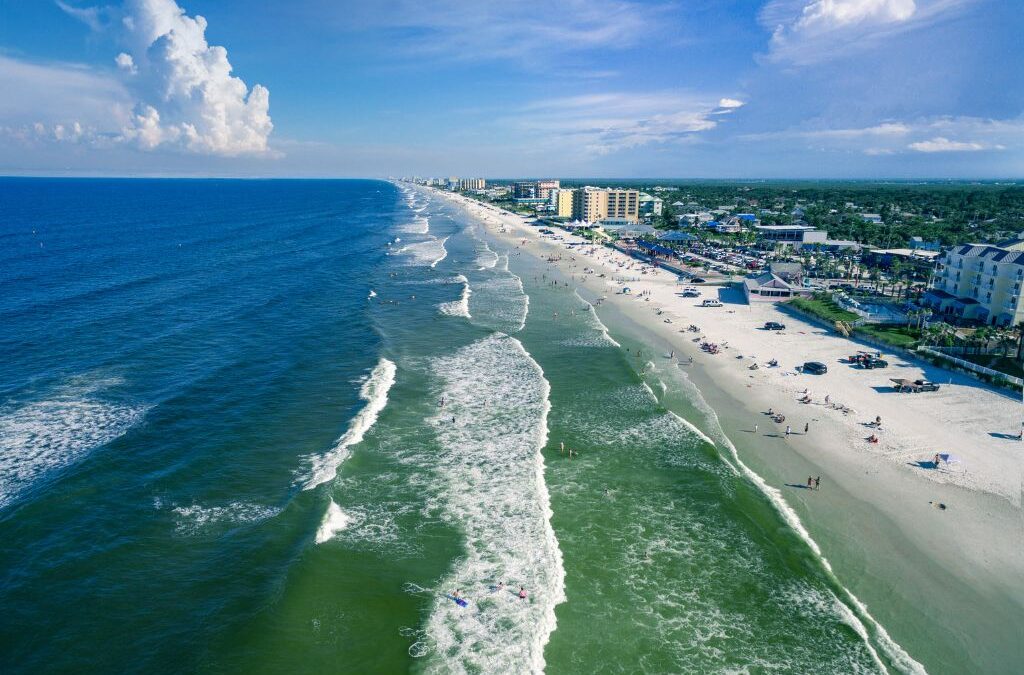
Daytona Beach is famous for its wide, hard-packed sand, but the real danger here is in the water.
Volusia County lifeguards handle more rip current rescues than any other county on Florida’s east central coast, according to the National Weather Service. In 2025 alone, Volusia County Beach Safety reported more than 2,100 ocean rescues.
Offshore sandbars create channels where water rushes back out to sea, and these rip currents can pull even strong swimmers away from shore in a matter of seconds.
Add in the fact that cars are allowed to drive on parts of the beach, and you need to keep your eyes open both in the water and on the sand.
Why people still visit:
Daytona is one of the most iconic beach towns in America. The boardwalk, the Main Street Pier, and the beach driving tradition have been drawing crowds for generations.
It’s also affordable compared to many Florida beach towns, with plenty of oceanfront hotels and condos to choose from.
And when you’ve had enough sun, Daytona International Speedway is just a few miles inland.
3. Ponce Inlet
Why it’s dangerous:
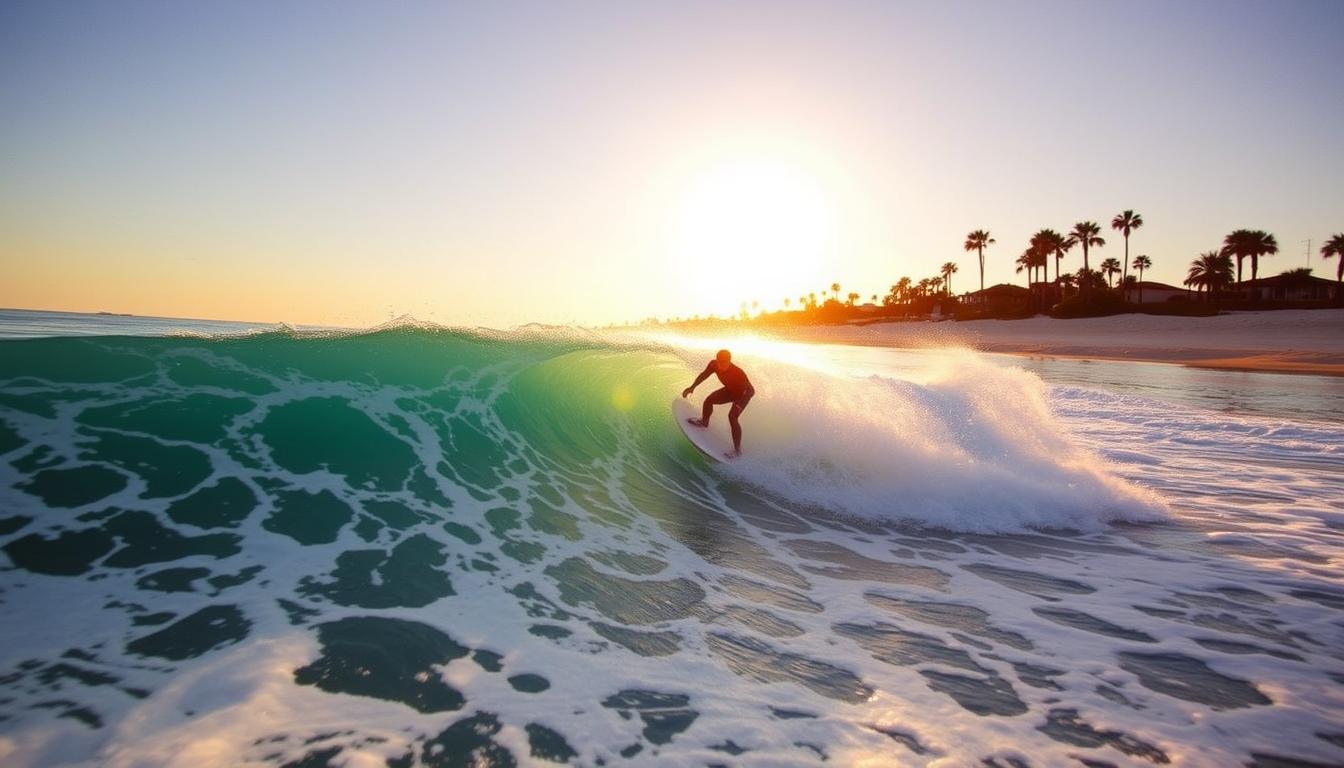
Just south of Daytona, Ponce Inlet sits at the tip of the peninsula where the Halifax River meets the Atlantic.
Inlets are some of the most dangerous places to swim in Florida. Strong tidal currents rush in and out of the channel, and the water near the jetty can be churning even on calm days.
Ponce Inlet is also part of the same stretch of coast that leads the world in shark bites. Baitfish gather around the jetty, which attracts sharks, which attracts fishermen, which makes for a very busy stretch of water.
Why people still visit:
Ponce Inlet has some of the best waves in Central Florida, and surfers line up along the jetty whenever a good swell rolls in.
The Ponce de Leon Inlet Lighthouse is the tallest lighthouse in Florida, and climbing its 203 steps gives you one of the best views on the entire coast.
Lighthouse Point Park is also a great spot for fishing, dolphin watching, and seeing the boats come through the inlet.
4. Cocoa Beach
Why it’s dangerous:
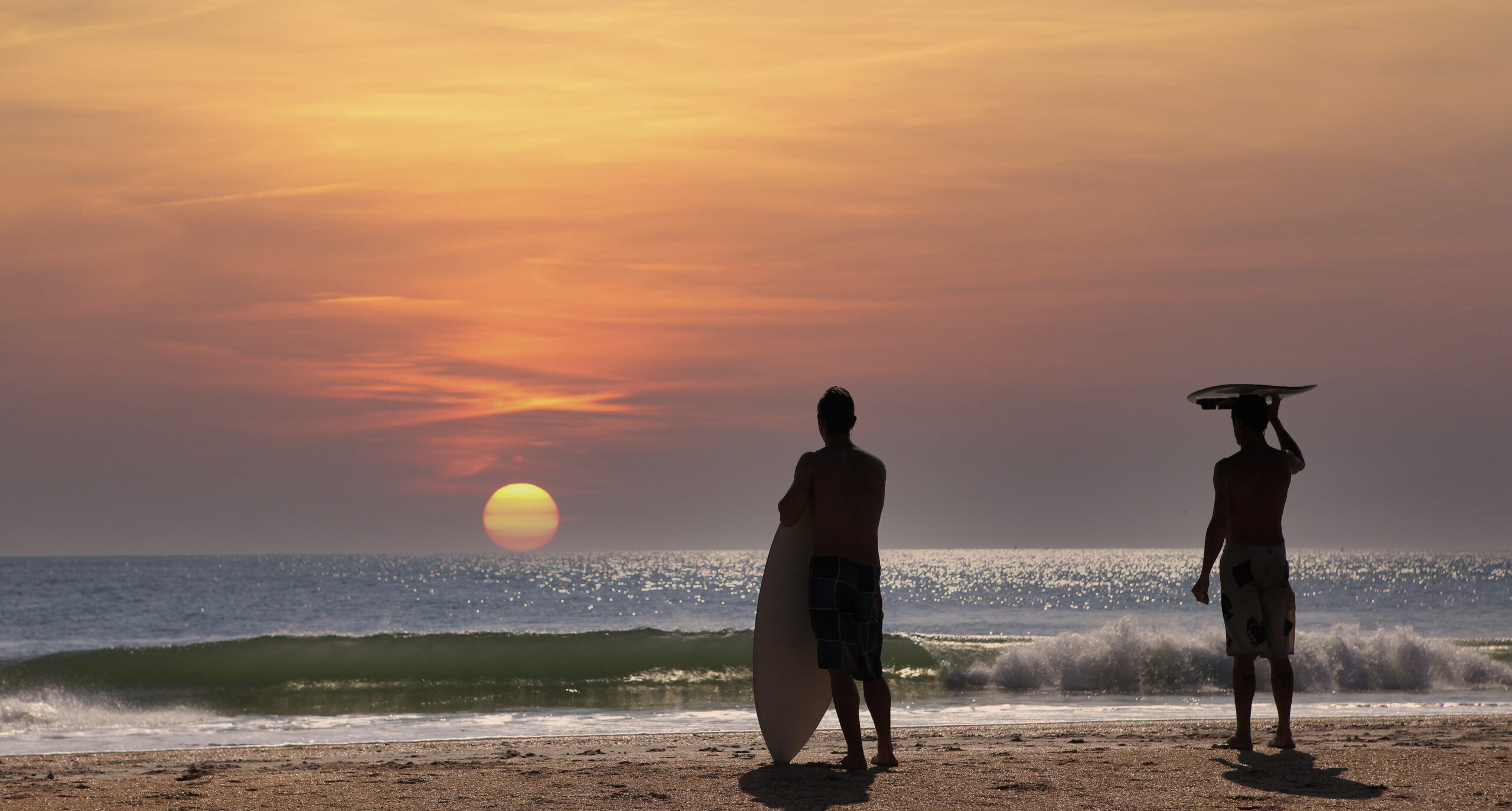
Cocoa Beach is the surf capital of the East Coast, and it comes with the same risks you find in other busy surf towns.
Brevard County has one of the highest counts of rip current drownings in Florida, according to National Weather Service records. Many of those happen at beaches without lifeguards on duty.
Sharks are a regular sight here too. Brevard ranks second only to Volusia for shark bites in Florida.
Why people still visit:
Cocoa Beach is home to Ron Jon Surf Shop, the Cocoa Beach Pier, and a surf culture that produced 11-time world champion Kelly Slater.
It’s also the closest beach to Kennedy Space Center, which means you can sometimes watch a rocket launch right from your beach towel.
And it’s only about an hour from Orlando, making it the go-to beach for theme park visitors who want a day on the ocean.
5. Melbourne Beach And Indialantic
Why it’s dangerous:
Indialantic and Melbourne Beach have shown up on recent lists of the most dangerous beaches in America, based on shark bites, surf fatalities, and hurricane activity.
This stretch of South Brevard is quieter and less developed than Cocoa Beach, which also means fewer lifeguard stands. Brevard County added permanent lifeguard stations after a string of drownings in 2007, and every one of those happened at unguarded beaches in the southern part of the county.
The waves here can be powerful, especially after a storm or when a hurricane is spinning offshore.
Why people still visit:
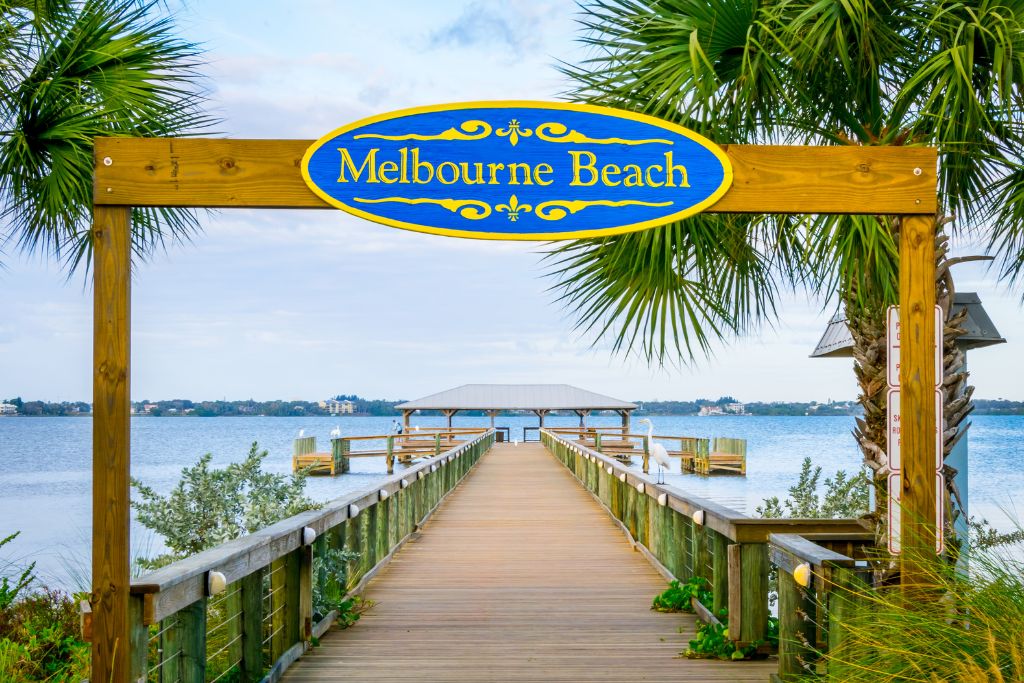
This is one of the most laid-back beach areas in Florida. There are no high-rise strips, just small beach towns, sea oats, and long stretches of quiet sand.
The Indialantic Boardwalk is a local favorite for surfing and people-watching.
Just south, the Archie Carr National Wildlife Refuge is one of the most important sea turtle nesting beaches in the Western Hemisphere. In the summer, guided turtle walks let you watch loggerheads nest at night.

6. Fort Pierce Inlet State Park
Why it’s dangerous:
Fort Pierce Inlet State Park sits right next to one of the busiest inlets on the Treasure Coast, and just like Ponce Inlet, the currents near the jetty can be extremely strong.
Outgoing tides can pull swimmers toward the channel, and the waves near the north jetty get big and messy when a swell comes in.
St. Lucie County beaches also see regular shark activity, especially during the late-winter blacktip migration when thousands of sharks move along the coast.
Why people still visit:
The north jetty is one of the best surf spots on the Treasure Coast.
The park also has a calm, protected cove on the inlet side where families can wade in shallow water away from the waves.
And the National Navy UDT-SEAL Museum is just up the road, which makes for a great rainy-day stop.

7. Jacksonville Beach
Why it’s dangerous:
Jacksonville Beach is the busiest beach in Northeast Florida, and rip currents are a constant threat here.
Duval County landed in the top 10 Florida counties for dangerous beaches in an analysis of NOAA data from 2013 to 2024. Rip currents are behind most of the rescues and drownings along this stretch of coast.
The water also tends to be rougher and darker than in South Florida, which makes it harder to spot a rip current from shore.
Why people still visit:
Jax Beach has a lively, fun atmosphere with beachfront bars, live music, and a long fishing pier.
It’s an easy drive for families across the Southeast, and it’s usually much less expensive than the beaches in South Florida.
Neighboring Neptune Beach and Atlantic Beach also give you quieter options just a few minutes away.

How To Stay Safe On Florida’s Atlantic Beaches
Most of the danger on these beaches can be avoided with a little common sense.
Swim near a lifeguard. The vast majority of rip current drownings happen at unguarded beaches.
Check the flags. Yellow means medium hazard, red means high hazard, double red means the water is closed, and purple means dangerous marine life like jellyfish or sharks.
Know how to escape a rip current. Don’t fight it. Swim parallel to the shore until you’re out of the current, then swim back in at an angle. If you can’t, float and wave for help.
Avoid inlets, jetties, and piers. Currents are stronger there, and the fish attract sharks.
Skip dawn and dusk swims. That’s when sharks are most active. Leave the shiny jewelry on the beach towel too.
Never swim alone. And keep a close eye on kids, even in shallow water.

Final Thoughts: The Most Dangerous Beaches On Florida’s Atlantic Coast
Florida’s Atlantic Coast isn’t the calm, glassy water you’ll find on the Gulf side. It’s wild, powerful, and sometimes dangerous.
But that’s also what makes it special. The same waves that make these beaches risky draw surfers from all over the world, and the same baitfish that attract sharks bring dolphins, pelicans, and some of the best fishing in the state.
Millions of people visit these beaches every year and have a great time. The key is respecting the ocean, swimming near a lifeguard, and knowing what to look for before you get in the water.
Safe travels!
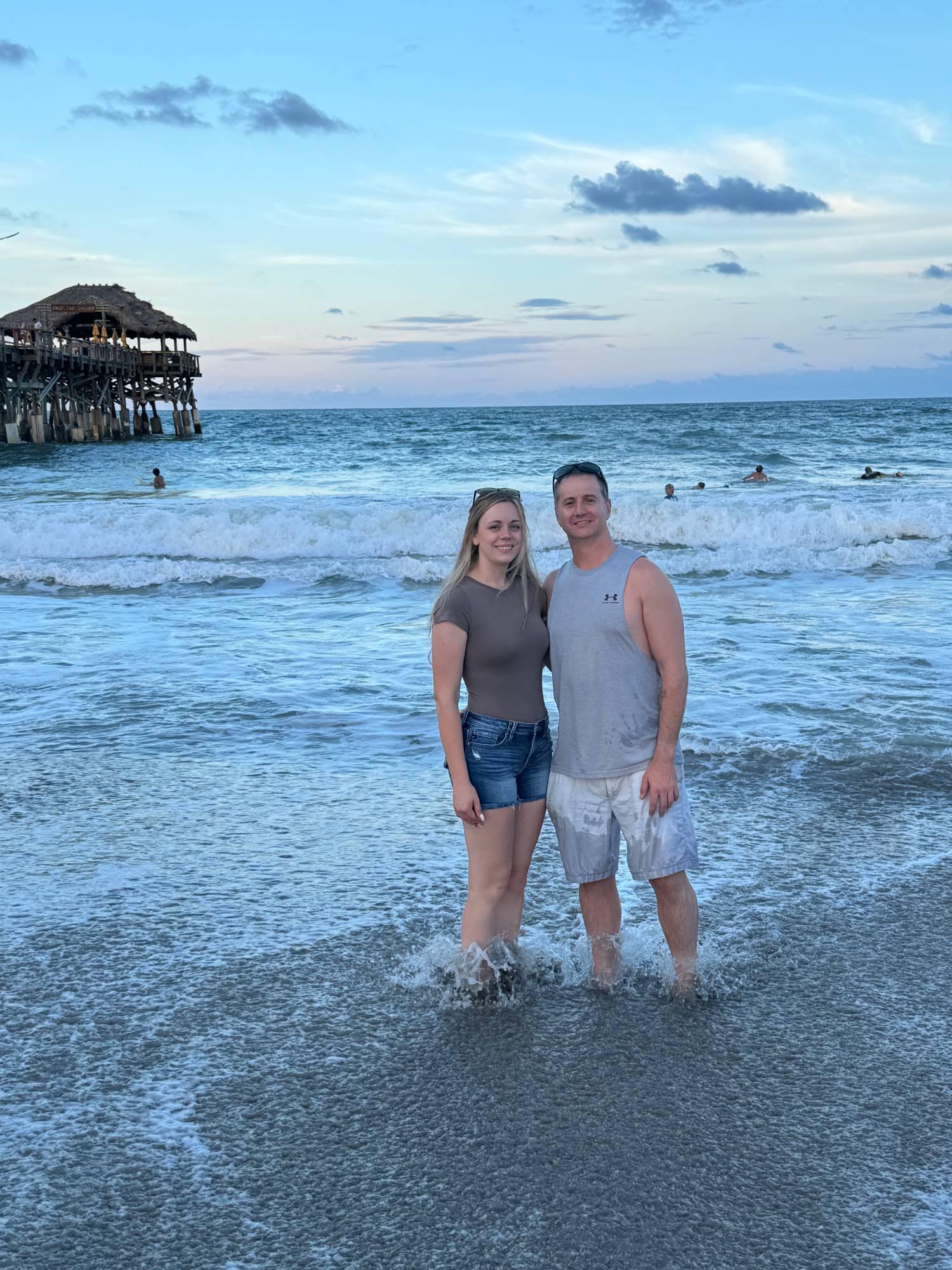
You can still have fun at these Florida beaches. Just be safe and use necessary precautions.
Always On The Shore contains affiliate links and if you make a purchase, we make a small commission at no cost to you.
For more information, please read the disclaimer page.