Last Updated on November 14, 2026
Have you ever walked the beach on vacation and thought, “What would it actually cost to live here?”
You’re not alone! I have thought about it many times myself. As someone who is from Minnesota and loves traveling to Florida several times a year, I often think about what it realistically would cost if I lived in the Sunshine State.
The cost of living in a Florida beach town is one of the biggest questions I get from readers, especially snowbirds and folks thinking about retiring to the coast.
The truth? It’s a mix of good news and surprises. Florida has no state income tax, and home prices in many beach towns have actually dipped this year. But insurance can be a shock if you’re coming from up north.
And there’s big news for 2027: Florida voters just approved a major property tax change that affects what homeowners will pay.
Below, I break down the real numbers, town by town and bill by bill, using the newest data I could find. Anything for 2027 that isn’t official yet is clearly labeled as an estimate.
Booking a last-minute trip to Florida?
If so, we have you covered. Here are some top recommended tours and experiences!
Top Tours in Florida – Viator
Top Hotels In Florida – Booking.com
Looking To Get Around In Florida?
Check out rental car rates here! 🚗

1. Home Prices In 6 Popular Florida Beach Towns
Let’s start with the biggest cost: buying a home.
Here’s what Zillow shows as the typical home value in six popular beach towns (most recent month listed for each):
- Naples: about $550,700 (August 2026), down 2.4% over the past year
- Panama City Beach: about $413,300 (April 2026), down 4.0%
- Sarasota: about $409,900 (August 2026), down 2.7%
- St. Petersburg: about $358,400 (July 2026), down 2.6%
- Cape Coral: about $335,400 (August 2026, metro area), down 4.4%
- Daytona Beach: about $246,500, down 9.1% over the past year
Notice a pattern? Prices are down in every town on this list. After years of big jumps, many Florida beach markets are cooling off, and that’s good news for buyers.
Keep in mind that a beachfront condo will cost a lot more than these citywide numbers. These are typical values across the whole city.

Which Florida Beach Town Is The Cheapest?
Of these six, Daytona Beach has the lowest typical home value by a wide margin. Naples is the most expensive.
For more budget-friendly ideas, check out our list of The Most Affordable Florida Beach Towns To Live.

2. What Rent Costs In A Florida Beach Town
Not ready to buy? Renting first is a smart way to test out a town.
According to Zillow’s Observed Rent Index (February 2026), typical rent was about $2,677 a month in Naples and $2,048 in St. Petersburg. The U.S. average in the same ranking was $1,843.
Some markets are getting cheaper. Zillow’s data showed Cape Coral rents fell 4.6% from January 2025 to January 2026.
For a rough benchmark, HUD’s Fair Market Rent for the North Port-Sarasota-Bradenton area is $2,188, and Naples-Marco Island is $2,036. (These are federal housing program numbers, not asking rents.)
Tip: Rents near the beach in winter can be much higher than year-round leases, because snowbirds fill up seasonal rentals from about January through April.
3. Homeowners Insurance: The Big Florida Surprise
This is the cost that catches most newcomers off guard.
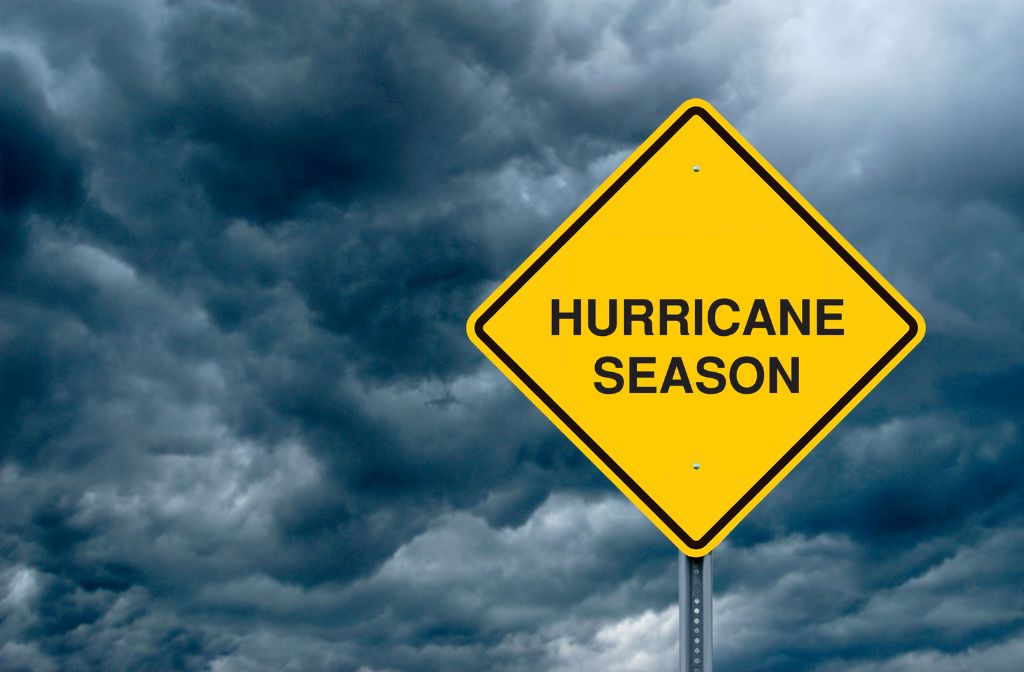
Florida’s Office of Insurance Regulation puts the average homeowners policy at about $3,736 a year with wind coverage (as of September 2026) among state-licensed insurers. That’s roughly $311 a month.
Other estimates are much higher. Insurance.com puts Florida’s 2026 average at $8,471 a year for a policy with $300,000 in dwelling coverage, the highest in the country.
Why the big difference? Coverage amounts, deductibles and the age of the home all matter a lot. A newer home built to modern hurricane code often costs far less to insure than an older one.
How Can You Lower Florida Home Insurance Costs?
- Get quotes on a specific home before you make an offer.
- Ask about a wind mitigation inspection, which can earn discounts for things like hurricane shutters and roof straps.
- Look at newer homes or homes with a newer roof.
- Talk to an independent agent who can shop several companies.

4. Don’t Forget Flood Insurance
Here’s something a lot of people don’t realize: regular homeowners insurance does not cover flood damage.
In a beach town, flood insurance is often a must, and your lender will require it if the home is in a high-risk flood zone.
According to FEMA data reported by NerdWallet, the average National Flood Insurance Program policy in Florida cost about $865 a year as of March 2025. A University of Florida analysis of FEMA data found the median single-family premium was about $1,402 a year.
Homes right on the water or in low-lying areas can pay much more, so check the flood zone of any home you’re considering.
5. Property Taxes & The New Amendment 3 (Big 2027 Change!)
This is the biggest news on this list.
On November 3, 2026, Florida voters approved Amendment 3 with about 62% of the vote, according to unofficial results reported by the Associated Press. It needed 60% to pass.
What Does Amendment 3 Change?
- For current homesteaded residents, the homestead exemption on non-school property taxes rises to $150,000 in 2027 and $250,000 in 2028, with inflation adjustments after that.
- The exemption for school taxes stays at $25,000. School taxes make up about 40% of the average tax bill, so your tax bill won’t go to zero.
- It also lowers the yearly assessment cap on non-homestead property from 10% to 5%.
What If You Move To Florida In 2027?
This is important for newcomers! According to county property appraisers, people who become Florida residents on or after January 1, 2027, start with the new-resident exemption of $50,000.
After keeping a homestead exemption for four years, you become eligible for the larger exemption starting in the fifth year.
The Save Our Homes cap is still in place, too. It limits how much the assessed value of your homestead can rise each year to 3% or the inflation rate, whichever is lower.
Property tax rates (millage) vary by county and city, so use your county property appraiser’s tax estimator to get a real number for any home.
6. No State Income Tax (But Watch The Sales Tax)
Now for the good news! Florida has no state income tax. For retirees with pensions or anyone moving from a high-tax state, that can add up to big savings every year.
Florida’s state sales tax is 6%, and most counties add a local surtax on top. Combined rates generally run between 6% and 8% depending on where you live.
So while your paycheck or retirement income goes further, you’ll still pay tax at the register.

7. Electricity & Utilities
Air conditioning runs most of the year in Florida, so your electric bill matters.
The good news is Florida’s electricity rates are below the national average. Florida homes paid about 15 cents per kWh in August 2026, compared with about 18 cents nationally, according to EIA data.
Florida Power & Light (FPL), the state’s largest utility, lists a typical 1,000 kWh residential bill at about $136.64 for 2026 in most of its service area. In Northwest Florida (including Panama City Beach), FPL lists about $141.36.
FPL’s rates for 2026 through 2029 are set under a four-year agreement approved by the Florida Public Service Commission. Other utilities, like Duke Energy Florida and Tampa Electric, have their own rates.
Water, sewer, trash and internet vary by town, so ask a landlord or seller for recent bills.

8. A Sample Monthly Budget For 2027 (Estimate)
So what does it all add up to? Here’s a rough 2027 estimate of monthly costs for a homeowner, built from the averages above. Your actual numbers will be different!
- Homeowners insurance (state average with wind): about $311
- Flood insurance (Florida NFIP average): about $72
- Electricity (FPL 1,000 kWh typical bill): about $137
- Estimated total: about $520 a month
That’s before your mortgage, property taxes, HOA or condo fees, water, internet, groceries and car costs.
If you rent instead, a $2,000 to $2,700 monthly rent plus electricity puts many beach towns in the $2,150 to $2,850 range before other bills.
What About Condo And HOA Fees?
Condo fees have gone up in many Florida buildings in recent years due to state safety and reserve requirements. Always ask for the building’s budget, reserve study and any planned special assessments before you buy.
How To Estimate Your Own Florida Beach Town Costs
- Pick 2-3 towns and look up current home values and rents on Zillow.
- Get real insurance quotes (home and flood) on actual listings.
- Use the county property appraiser’s estimator for property taxes.
- Check the local electric utility’s current rates.
- Ask about HOA or condo fees and special assessments.
- Rent for a month or a season before you buy.
FAQs About The Cost Of Living In Florida Beach Towns
Is It Expensive To Live In A Florida Beach Town?
It depends on the town. Naples is pricey, while Daytona Beach has much lower home values. Insurance is the biggest extra cost compared to most other states.
Does Florida Have A State Income Tax?
No. Florida has no state income tax, which is one of the biggest reasons people move here.
Will My Property Taxes Go Down In 2027?
If you’re already a homesteaded Florida resident, the bigger non-school exemption under Amendment 3 starts in 2027. New residents start with the smaller exemption and become eligible for the larger one in their fifth year. Check with your county property appraiser for details.
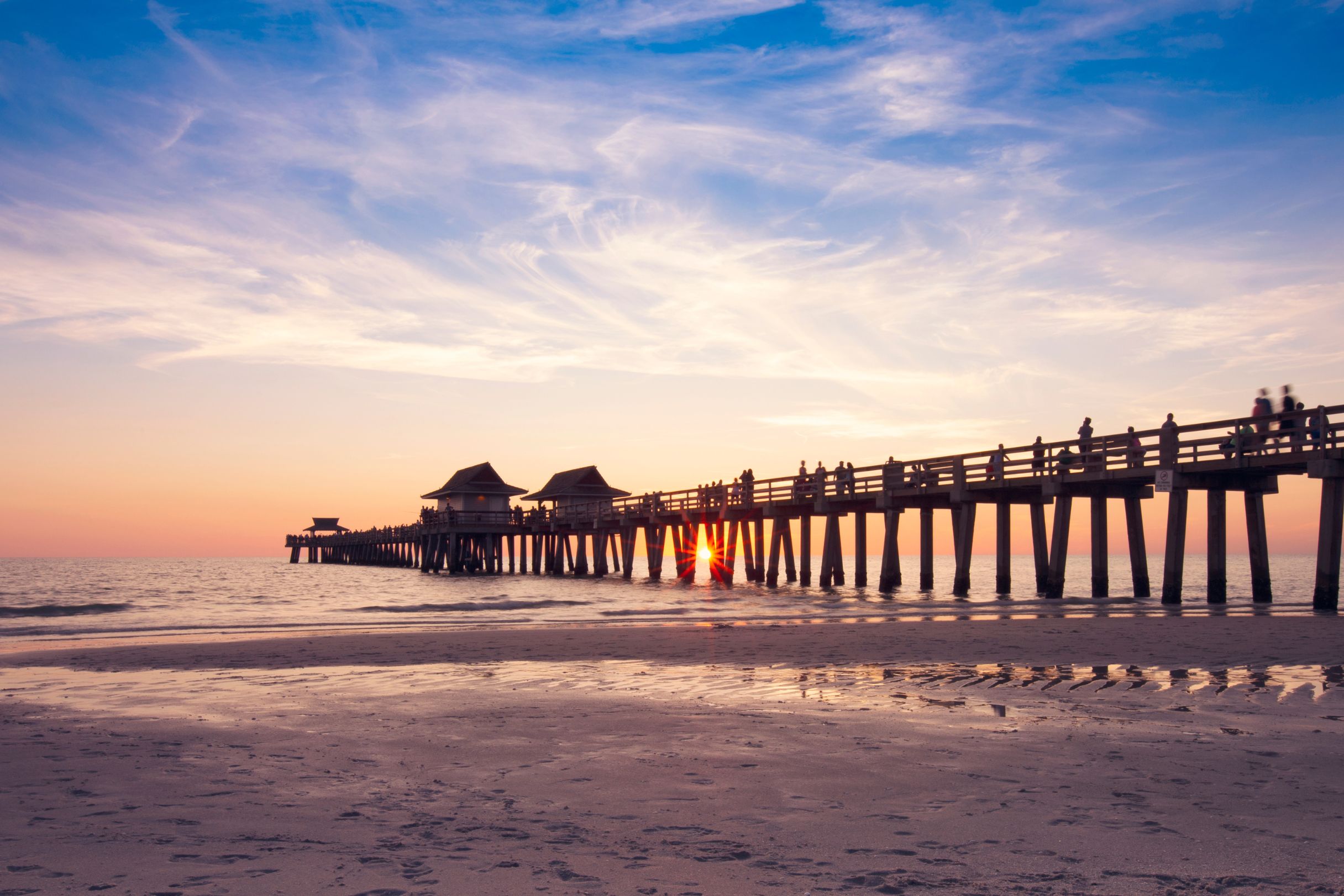
Final Thoughts: The Real Cost Of Living In A Florida Beach Town
Living near the beach in Florida can be more affordable than you’d think, especially with falling home prices and no state income tax. Just budget carefully for insurance, and get real quotes before you commit.
Still deciding where to go? Read about The Florida Towns Ranked Best For Retirees, One Of The Most Affordable Beach Towns In Florida, and America’s Best Place To Retire.
Where would you move in Florida? Clearwater Beach is definitely one of my favorites but not the cheapest!

Always On The Shore contains affiliate links and if you make a purchase, we make a small commission at no cost to you.
For more information, please read the disclaimer page.