Last Updated on November 29, 2026
When most people picture Florida’s beaches, they think of turquoise water, soft white sand, and endless sunshine.
And they’re right. Florida has more than 800 miles of sandy beaches, and some of them are among the most beautiful stretches of coastline anywhere in the U.S.
But not every beach is as safe as it is stunning. Depending on where you go and when, you could be dealing with powerful rip currents, sharks, bacteria in the water, sudden lightning storms, stinging jellyfish, or even cars driving right past your beach towel.
Still, locals and visitors keep going, year after year. Why? Because these beaches, despite their risks, offer unforgettable views, epic surf, and uniquely Florida experiences that are hard to resist.
I’ve spent a lot of time on the Florida coast, and I’ll be the first to admit that several of the beaches on this list are some of my personal favorites. The trick isn’t avoiding them, it’s understanding what you’re walking into.
Here are the 7 most dangerous beaches in Florida, what makes each one risky, how to stay safe, and why visitors, including me, still love them.
Booking a last-minute trip to Florida?
If so, we have you covered. Here are some top recommended tours and experiences!
Top Tours in Florida – Viator
Top Hotels In Florida – Booking.com
Looking To Get Around In Florida?
Check out rental car rates here! 🚗
What Makes a Florida Beach “Dangerous”?
Before we get into the list, it helps to know what “dangerous” actually means here. None of these beaches are places you should be afraid of. Millions of people visit them every year without a single problem.
Instead, each beach on this list has one standout hazard that sets it apart, something visitors should know about before they show up with a cooler and a boogie board.
Here’s what I looked at when putting this list together.
Rip currents are the number one cause of beach drownings in Florida and across the country, so they weigh heavily on this list. Shark bites are rare and usually minor, but they’re far more common in certain spots. Water quality matters too, from bacteria advisories to red tide blooms.
Then there’s the weather, especially Florida’s fast-moving summer lightning storms, along with marine life like jellyfish, stingrays, and sea lice. And finally, there are human hazards, like crowds, theft, and in one case, cars driving right on the sand.
With that in mind, let’s dive in (carefully).
1. New Smyrna Beach (Shark Bite Capital of the World)
Why it’s dangerous:
New Smyrna Beach has earned a reputation as the “shark bite capital of the world,” and not without reason.
Volusia County, where New Smyrna Beach is located, regularly records more unprovoked shark bites than any other area on the planet. In many years, it logs more bites than entire countries.
The reason is a perfect storm of conditions. The waters near Ponce Inlet are shallow, murky, and packed with baitfish, which attract blacktip and spinner sharks. Add in a crowd of surfers kicking and splashing in that same cloudy water, and you get a lot of cases of mistaken identity.
Why visitors still go:
Here’s the important part: shark bites here are almost always minor. Most are quick “hit and run” nips on a foot or hand, and fatalities are extremely rare. Locals know the odds, and millions of people swim here safely every year.
Surfers love New Smyrna for its consistent waves and long sandbars, and the inlet is one of the most reliable surf breaks on the East Coast. The small-town charm, laid-back Flagler Avenue, beachside restaurants, and scenic sunrise walks keep people coming back too. It’s one of the best beach towns in Florida, period.
How to stay safe:
Avoid swimming near Ponce Inlet, fishing piers, or anywhere you see schools of baitfish jumping. It’s also smart to skip the water at dawn and dusk, when sharks are most active.
Leave the shiny jewelry at home, since it can look like fish scales in murky water, and don’t swim if you have an open cut.

2. Panama City Beach (Deadly Rip Currents)
Why it’s dangerous:
Panama City Beach is gorgeous, but it’s also infamous for deadly rip currents, especially during the busy summer season.
Rip currents are powerful, narrow channels of fast-moving water that flow away from shore. They can pull even strong swimmers out past the sandbar in a matter of seconds, and most drownings happen when panicked swimmers wear themselves out trying to swim straight back to the beach.
The summer of 2023 was especially tragic, with a string of rip current drownings in the Panama City Beach area making national news. Lifeguards were stretched thin, and many of the victims were visitors who weren’t familiar with Gulf conditions.
When the Gulf is calm, it looks like a swimming pool. But when the wind picks up or a storm passes offshore, conditions can change fast.
Why visitors still go:
The sugar-white quartz sand and emerald-green water are hard to beat anywhere in the country.
Panama City Beach offers family-friendly attractions, great fishing, Pier Park, St. Andrews State Park, and some of the best sunsets on the Gulf Coast. Plus, the nightlife, festivals, and iconic piers draw people year-round.
How to stay safe:
Pay close attention to the beach flags. Panama City Beach takes double red flags seriously, and entering the water when they’re flying can get you a fine. Swim near lifeguard towers whenever possible, and if the water looks choppy with a gap in the breaking waves, that could be a rip current.
Florida Beach Warning Flags Explained
Most Florida beaches use the same color-coded flag system, and knowing it could save your life. Here’s what each flag means:
- Green: Low hazard. Calm conditions, but still use caution.
- Yellow: Medium hazard. Moderate surf and/or currents.
- Red: High hazard. Strong surf and/or currents. Experienced swimmers only, and many people should stay out.
- Double Red: Water closed to the public. Do not go in.
- Purple: Dangerous marine life spotted, such as jellyfish, stingrays, or sharks.
Remember, a lack of flags doesn’t mean the water is safe. It usually just means there’s no lifeguard on duty.

3. Siesta Key Beach (Hidden Bacteria Risks)
Why it’s dangerous:
Siesta Key is known for its powdery white sand and turquoise water, and it regularly lands on lists of the best beaches in America. But in recent years, water quality has become a concern.
Storm runoff and warm summer temperatures can lead to spikes in enterococci, a type of fecal bacteria. When levels get too high, the Florida Department of Health issues no-swim advisories.
These bacteria can cause stomach illness, skin rashes, and infections, especially in young children, older adults, and anyone with an open wound. Like much of Florida’s Gulf Coast, Siesta Key can also be affected by red tide, an algae bloom that can cause coughing, itchy eyes, and dead fish washing ashore.
Why visitors still go:
Siesta Key’s sand is made of nearly pure quartz, which means it stays cool under your feet even on the hottest afternoons. The water is clear and shallow, the sunsets are legendary, and Siesta Village has a fun, walkable vibe with great restaurants and bars.
For most visitors, the beauty and charm of this beach far outweigh the rare but real risks.
How to stay safe:
Check the Florida Healthy Beaches Program and local red tide reports before you go. Avoid swimming for a day or two after heavy rain, and if you have a cut or scrape, keep it covered or stay on the sand.
Learn more about dangerous bacteria at Florida beaches, here.

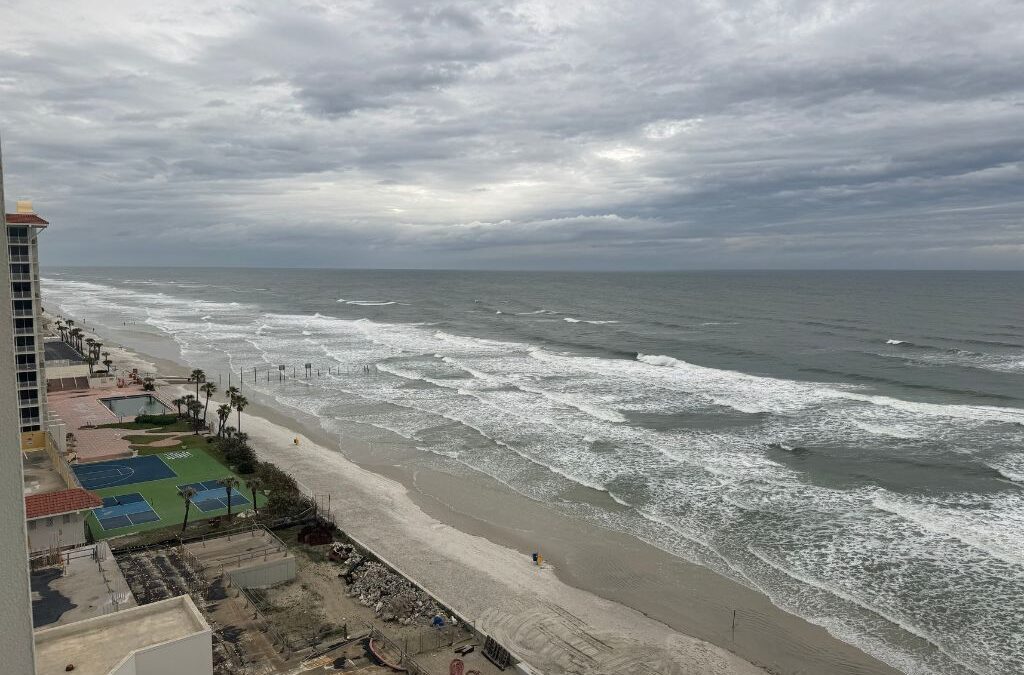
4. Daytona Beach (Beach Driving Accidents & Currents)
Why it’s dangerous:
Daytona is one of the few places in the U.S. where you can drive your car right onto the beach. It’s a fun tradition, but it also creates hazards you won’t find on most beaches.
Vehicle-related accidents happen, including incidents involving pedestrians and small children who dart out between parked cars. Sunbathers lying in or near the driving lanes are at risk too.
On top of that, Daytona’s Atlantic surf can be rough, with strong rip currents and shifting sandbars creating unpredictable swim conditions. And since it shares the same county as New Smyrna Beach, sharks are part of the picture here too.
Why visitors still go:
Daytona Beach is iconic. It calls itself the “World’s Most Famous Beach,” and from Bike Week to spring break to NASCAR fans flooding in for the Daytona 500, it’s a true cultural hotspot.
Families love tailgating right on the sand, and locals love fishing off the Main Street Pier or watching the sunrise from their car with a hot coffee. The beach is wide and hard-packed, and the waves are great for bodyboarding. Despite the risks, Daytona offers a nostalgic slice of old-school Florida.
How to stay safe:
Never lie down in or near the driving lanes, keep a close eye on kids, and if you’re driving, stick to the 10 mph speed limit and the marked areas. In the water, swim near a lifeguard tower and watch the flags.

5. Fort Lauderdale Beach (Theft & Urban Hazards)
Why it’s dangerous:
Fort Lauderdale Beach isn’t mainly known for natural dangers like rip currents or sharks, though both do exist here.
Instead, the biggest concerns are urban ones, like petty theft, car break-ins, and occasional altercations during peak season or late-night bar crawls along A1A.
Its location in the middle of a major metro area means more foot traffic, more tourists, and yes, more opportunities for crime. The most common problem is simple: people leave phones, wallets, and bags on their towels while they go for a swim, and come back to find them gone.
Why visitors still go:
Fort Lauderdale Beach is stunning, with swaying palms, the famous wave wall along the promenade, and a backdrop of luxury high-rises.
Locals love the vibrant energy, the beachside restaurants, and the walkability. The beach is easy to get to, has lifeguards stationed along much of the shoreline, and offers clear water and great amenities.
How to stay safe:
Don’t leave valuables in plain sight on the sand or in your car. A waterproof phone pouch or a small beach lock box is worth the money. Stay in well-lit areas at night, and avoid wandering alone down quiet stretches of beach after dark.

6. Naples Beach (Lightning Strike Danger)
Why it’s dangerous:
Naples might seem like the most peaceful beach on this list, and most days it is. But Florida is the lightning capital of the United States, and it leads the country in lightning deaths.
During the summer, Southwest Florida sees thunderstorms almost every afternoon. They build quickly over land and roll toward the coast, often catching beachgoers off guard. A wide-open beach is one of the worst places to be in a lightning storm, since you’re often the tallest thing around.
Like Siesta Key, Naples can also be affected by red tide during certain years.
Why visitors still go:
Naples Beach is gorgeous, with calm, gentle water, clean sand, and some of the most spectacular sunsets in the state.
It’s also known for its iconic pier, upscale dining on Fifth Avenue South, and a relaxed, peaceful atmosphere that’s perfect for families and couples alike.
How to stay safe:
Plan your beach days for the morning during the summer months. Follow the rule locals live by: “When thunder roars, go indoors.” If you can hear thunder, you’re close enough to be struck, and you should wait at least 30 minutes after the last rumble before heading back out.

7. Pensacola Beach (Jellyfish & Marine Hazards)
Why it’s dangerous:
Pensacola Beach has its fair share of rip currents, but one of the most common problems here, especially in late summer, is jellyfish stings.
Portuguese man o’ war and moon jellyfish both drift into the area, and unsuspecting swimmers can end up with painful stings during bloom seasons. Man o’ war tentacles can still sting even after they’ve washed up on the sand, so don’t touch those blue “balloons” you see on the beach.
Stingrays and sea lice (tiny jellyfish larvae that cause an itchy rash) can also be a nuisance in warmer months.
Why visitors still go:
Pensacola Beach is a Panhandle paradise, with sugar-white sand, clear emerald water, and access to the protected Gulf Islands National Seashore.
Families love it, locals swear by the fishing, and the beach town charm is hard to beat.
How to stay safe:
Watch for purple flags, which signal dangerous marine life. Do the “stingray shuffle” by sliding your feet along the bottom instead of stepping. Change out of your swimsuit soon after swimming if sea lice are around, and pack a small bottle of vinegar for jellyfish stings.
How to Escape a Rip Current
Since rip currents are the most deadly hazard at Florida beaches, every visitor should know what to do if they get caught in one. Experts boil it down to three words: Flip, Float, and Follow.
First, flip onto your back and stay calm. Don’t fight the current. Then float to conserve your energy. Rip currents won’t pull you under, they pull you out.
Finally, follow the shoreline by swimming parallel to the beach until you’re out of the current, then swim back in at an angle.
If you can’t escape, face the shore, wave your arms, and yell for help. And if you see someone else in trouble, don’t swim out after them. Call 911, alert a lifeguard, and throw them something that floats.

What You Can Learn From the Locals
Locals understand that no beach is without risk, whether it’s natural or human-made. But they also know how to navigate those risks. Here’s how:
✅ Check the beach flags before swimming. Red means danger, double red means stay out.
✅ Avoid swimming after storms, when bacteria levels spike.
✅ Don’t swim alone, and avoid remote stretches of shoreline.
✅ Stay alert at busy urban beaches and secure your valuables.
✅ Respect wildlife, including jellyfish, stingrays, and sharks.
✅ Know where the lifeguards are and stay within sight of them.
✅ Leave the beach at the first sign of lightning.
✅ Bring plenty of water and reef-safe sunscreen. Heat exhaustion is a real risk too.
Frequently Asked Questions
What is the most dangerous beach in Florida?
It depends on how you measure it. New Smyrna Beach has the most shark bites, while Panama City Beach has seen some of the highest numbers of rip current drownings in the state. Since rip currents cause far more deaths than sharks, many experts would point to the Panhandle beaches as the most dangerous for swimmers.
Is it safe to swim at Florida beaches?
Yes, for the most part. Millions of people swim safely in Florida every year. Swim near lifeguards, check the flags, and pay attention to local water quality and weather reports, and you’ll be in good shape.
When is the safest time to visit Florida beaches?
Spring and fall tend to offer calmer weather, fewer afternoon thunderstorms, and smaller crowds. Summer brings the most lightning, while hurricane season runs from June through November.
Which Florida coast has more sharks?
The Atlantic coast, especially Volusia and Brevard counties, sees far more shark bites than the Gulf Coast.
Final Thoughts
Despite the dangers, each of these beaches remains wildly popular for one simple reason: they’re incredible.
Whether it’s the surf at New Smyrna, the powder-soft sand at Siesta Key, the emerald water of Panama City Beach, or the old-school energy of Daytona, each destination offers something you won’t find anywhere else.
Locals and seasoned visitors know the risks, but they also know how to avoid the worst-case scenarios. A little knowledge goes a long way.
Florida’s beaches are wild, unpredictable, and sometimes dangerous. But they’re also magical, and that’s what keeps people coming back again and again.
So yes, these beaches come with warnings. But they also come with waves, sunsets, and stories you’ll never forget.
Safe travels!

Follow Our Discover Florida Facebook Page!
We’re Also On Pinterest!
Booking a last-minute trip to Florida?
If so, we have you covered. Here are some top recommended tours and experiences!
Top Tours in Florida – Viator
Top Hotels In Florida – Booking.com
Looking To Get Around In Florida?
Check out rental car rates here! 🚗