Last Updated on November 22, 2026
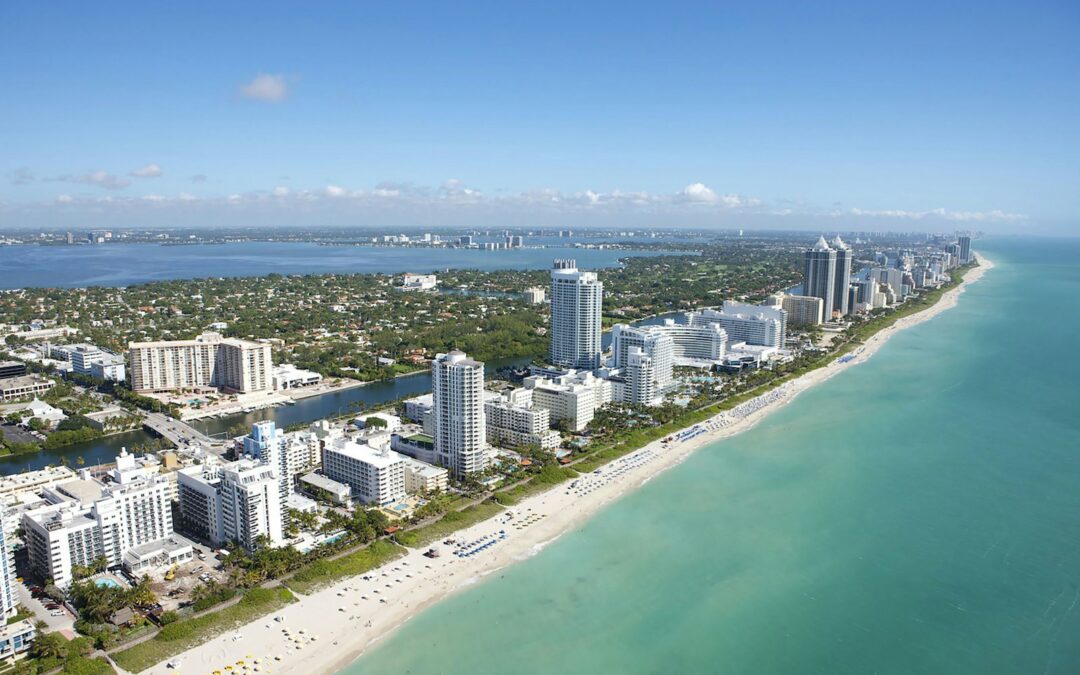
South Florida beaches look like a postcard.
Turquoise water, soft sand, palm trees and lifeguard towers painted every color of the rainbow. It’s easy to forget that the ocean here can be dangerous.
But here’s what a lot of visitors don’t realize: the calm-looking water off Miami, Fort Lauderdale and Palm Beach is where many of Florida’s rip current rescues happen every year. The National Weather Service lists rip currents as one of the deadliest weather-related hazards in South Florida, and they don’t take the winter off.
Some of these beaches are dangerous because of rip currents, some because of powerful inlet tides, and a few because of sharks and stinging marine life. The good news is that almost every one of them is perfectly safe if you know what to watch for.
This isn’t a list of beaches to never visit. Most of them are among the best beaches in the state. It’s a list of beaches where locals pay attention.
Here are the 7 most dangerous beaches in South Florida, and how to stay safe at each one.
Booking a last-minute trip to Florida?
If so, we have you covered. Here are some top recommended tours and experiences!
Top Tours in Florida – Viator
Top Hotels In Florida – Booking.com
Looking To Get Around In Florida?
Check out rental car rates here! 🚗
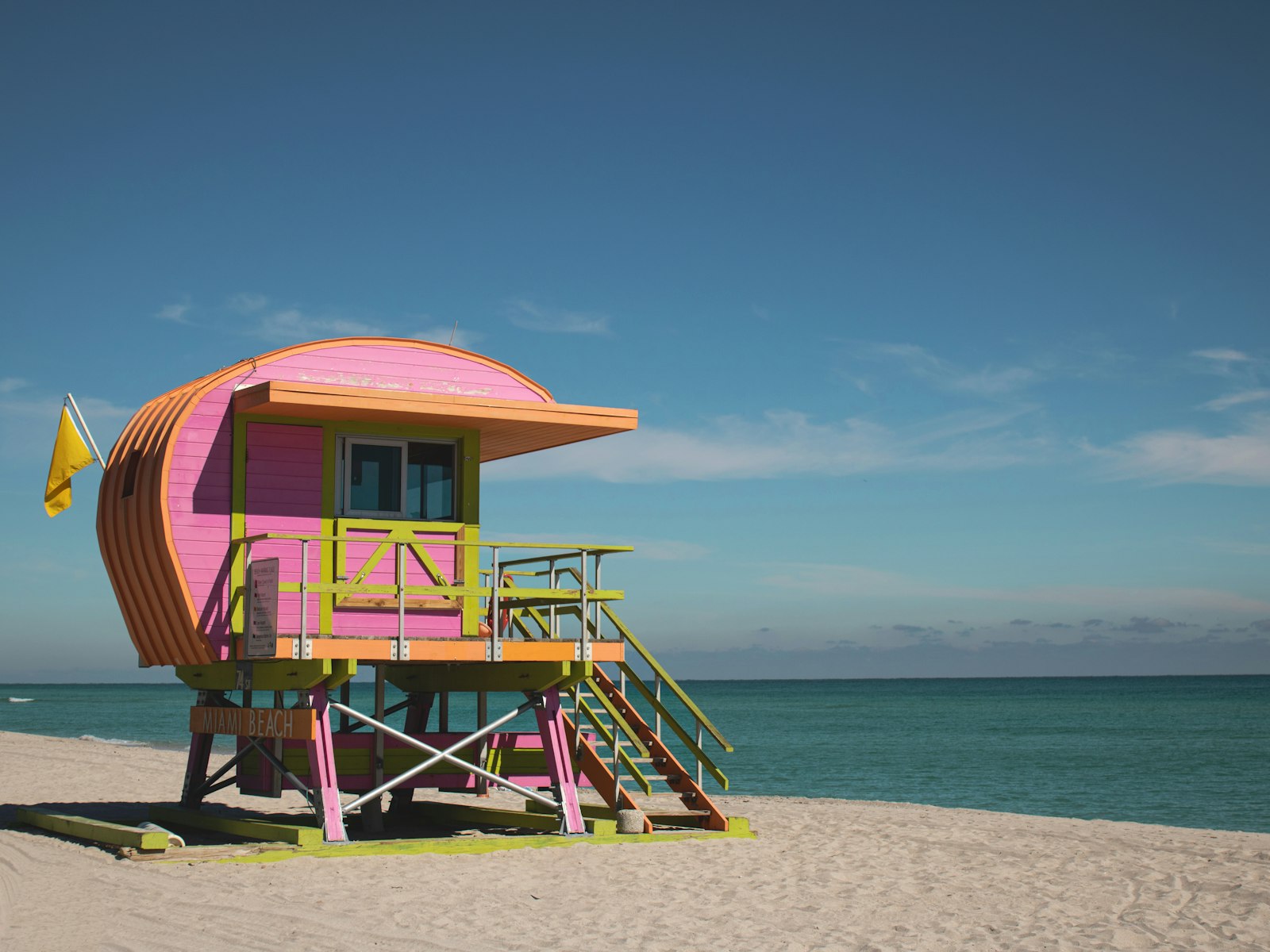
1. Miami Beach (South Pointe)
Why it’s dangerous:
Miami Beach is one of the most famous beaches in the world, and also one of the busiest. In a 2025 study that ranked 528 U.S. beaches on surf zone deaths, shark bites and hurricane strikes, Miami Beach came in fourth on the list of the most dangerous beaches in the country.
The biggest risk is rip currents. They form near the South Pointe jetty at the southern tip of the island and along sandbars up and down the beach, especially when east winds kick up the surf.
Huge crowds, lots of first-time ocean swimmers and plenty of drinking on the sand don’t help. In late 2024, a 19-year-old drowned at South Pointe after being pulled out while trying to help his sister.
How to stay safe:
Swim in front of a staffed lifeguard tower, and stay well away from the South Pointe jetty and the Government Cut channel. Check the flag on the tower before you get in.
If you want a calmer swim, the water around Crandon Park on Key Biscayne is usually gentler and much more family-friendly.
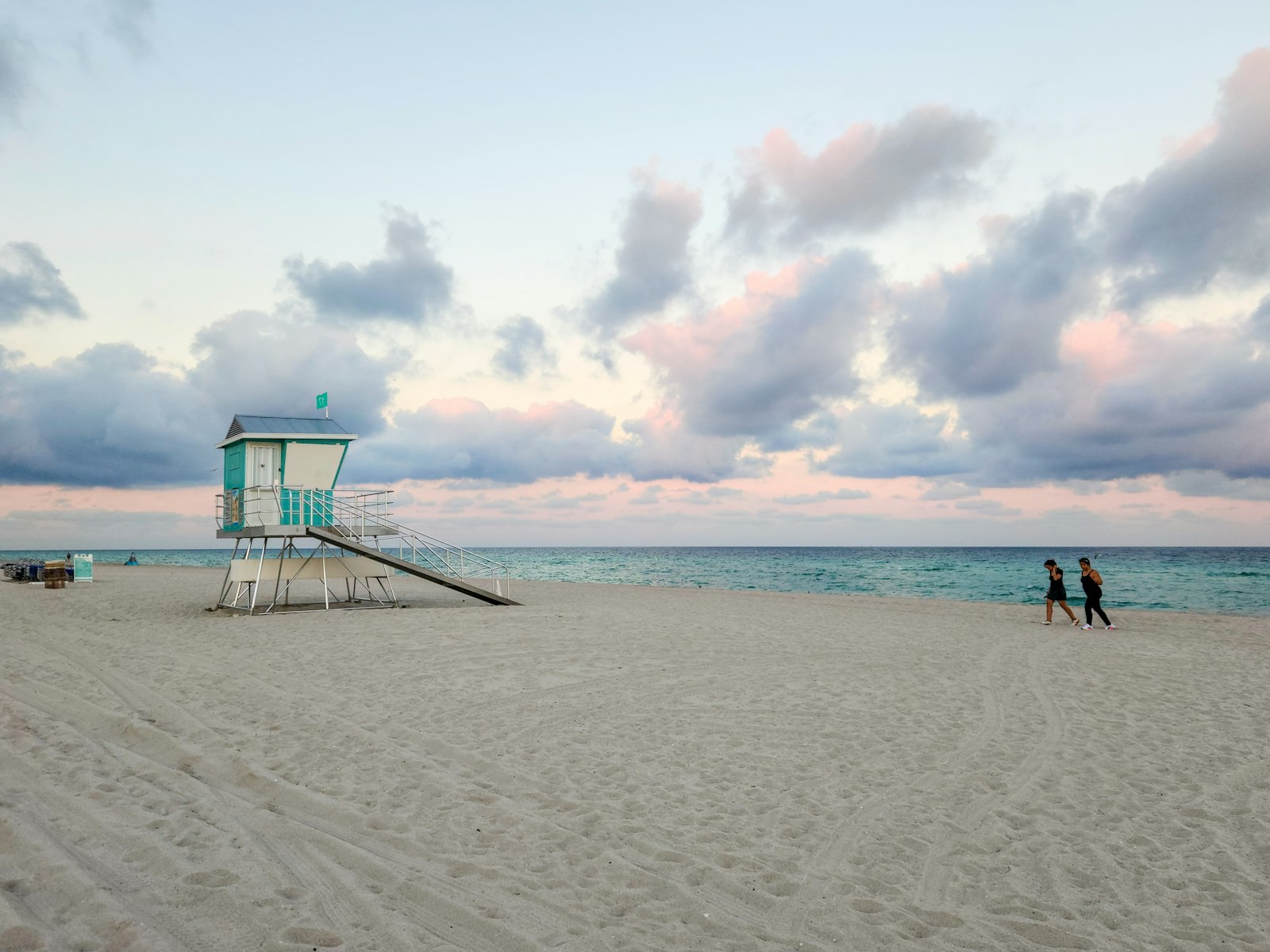
2. Haulover Beach
Why it’s dangerous:
Haulover Beach Park sits right next to Baker’s Haulover Inlet, one of the roughest inlets in the state. When the tide is going out and the wind is blowing onshore, the narrow channel turns into what boaters call a washing machine.
That fast-moving water can pull swimmers out toward the inlet before they realize what’s happening. The seawall along the inlet is a popular hangout, and people have drowned after jumping off it and getting caught in the current.
Boat traffic through the inlet adds another layer of risk. On busy weekends, dozens of boats race through the channel on their way to the Haulover sandbar, throwing big wakes toward anyone in the water.
How to stay safe:
Swim at the guarded sections of the beach, away from the inlet. Never jump off the seawall or the jetty, no matter how many other people are doing it.
The beach itself is wide and beautiful, and a great spot for kite flying and sunset picnics, so just enjoy the inlet from dry land.
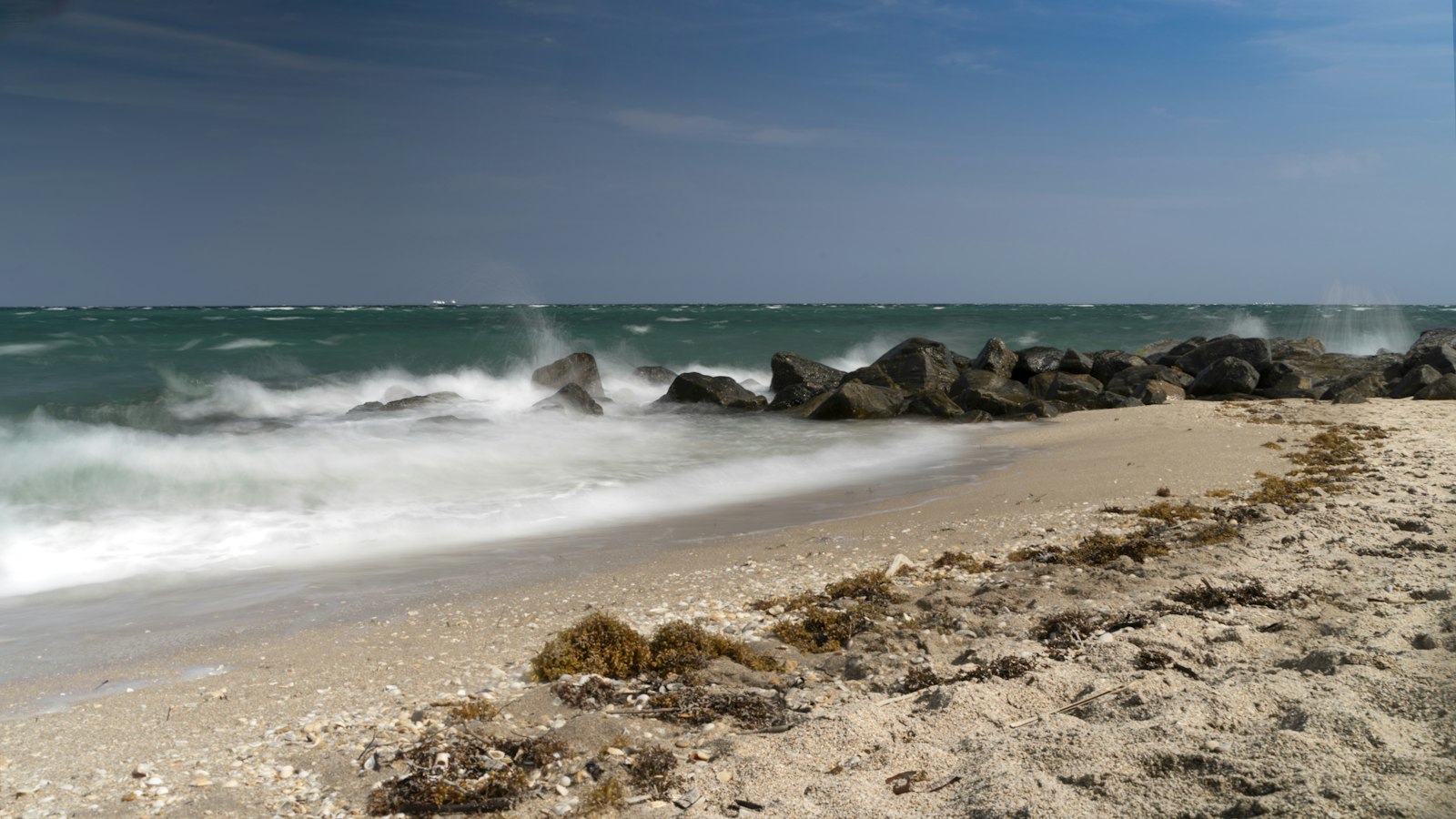
3. Boynton Inlet (Ocean Inlet Park)
Why it’s dangerous:
Ask a Palm Beach County lifeguard about the Boynton Inlet, and you’ll get an earful. One ocean rescue lieutenant famously called it “the most dangerous inlet in the universe.”
The inlet is narrow, and huge amounts of water rush in and out of the Intracoastal with every tide. Local rescue crews rank it just behind Haulover as one of the most dangerous inlets in Florida, and it has a long list of drownings and close calls.
The trouble usually starts on the unguarded sand right next to the inlet, where the current can drag swimmers away from shore in seconds.
How to stay safe:
Ocean Inlet Park is a great place to fish, picnic and watch the boats come and go. Just don’t swim near the inlet itself. Walk south to a guarded beach before getting in the water, and keep kids off the seawall and jetty rocks.
If you’re fishing off the seawall, wear shoes with good grip. The rocks and concrete stay wet and slippery, and the current below is strong enough to sweep away even a confident swimmer.
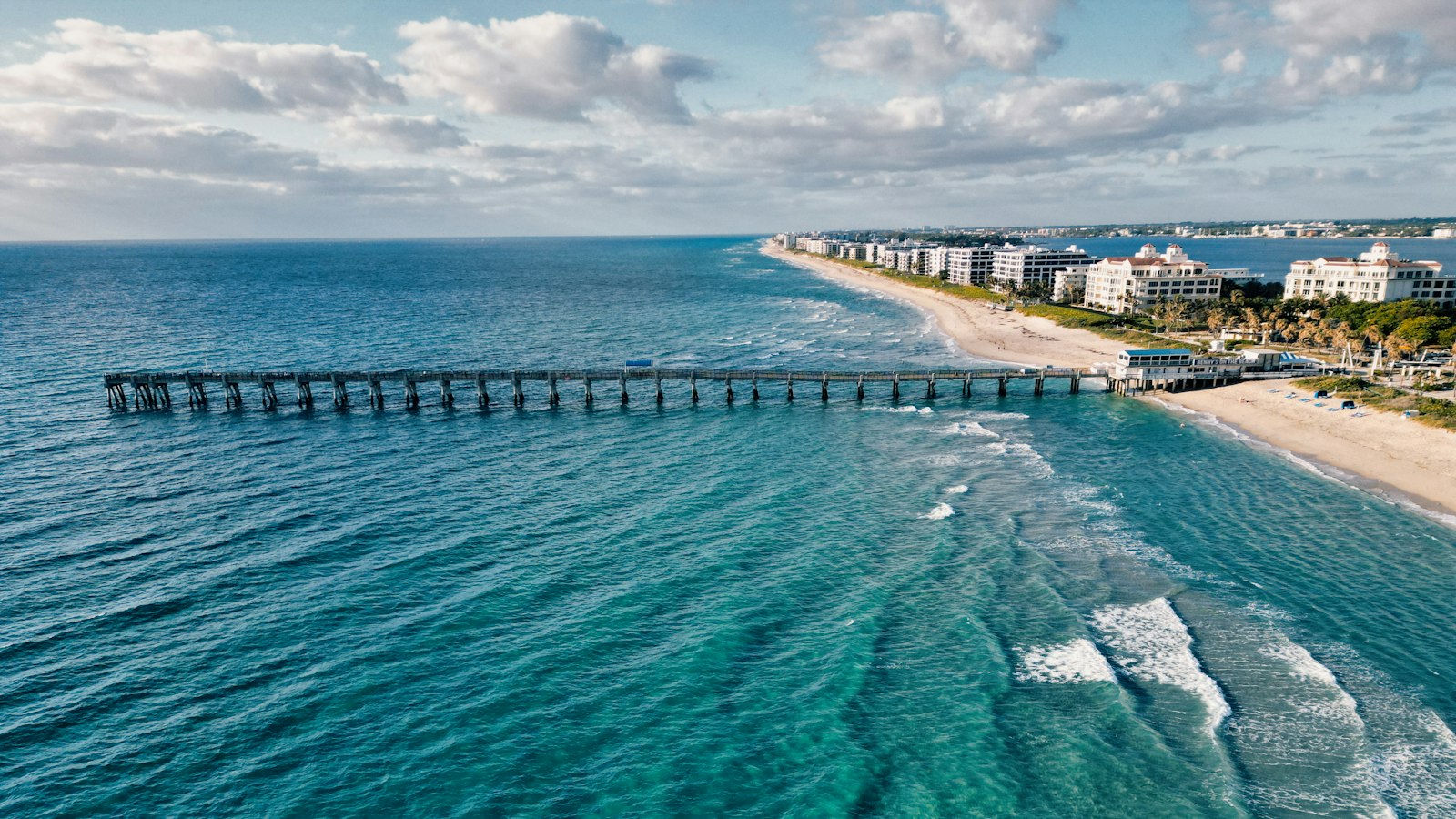
4. Palm Beach
Why it’s dangerous:
Palm Beach is all mansions, manicured hedges and quiet sand, so it surprises a lot of people that it ranked seventh on that same list of the most dangerous beaches in America.
Much of the island’s shoreline is narrow, with a steep drop-off and a shore break that can knock you off your feet. Rip currents form here regularly, and long stretches of the island have no lifeguards at all.
Palm Beach is also right in the middle of the winter blacktip shark migration, which we’ll get to in a minute.
How to stay safe:
Stick to the guarded beaches. Midtown Beach and Phipps Ocean Park both have lifeguards, parking and easy beach access. If you’re staying at a private hotel or condo beach without guards, be extra cautious and don’t swim alone.
Lifeguard hours matter too. Most Palm Beach County towers are staffed from about 9 a.m. to 5 p.m., so an early morning or sunset swim means you’re on your own.
5. Fort Lauderdale Beach
Why it’s dangerous:
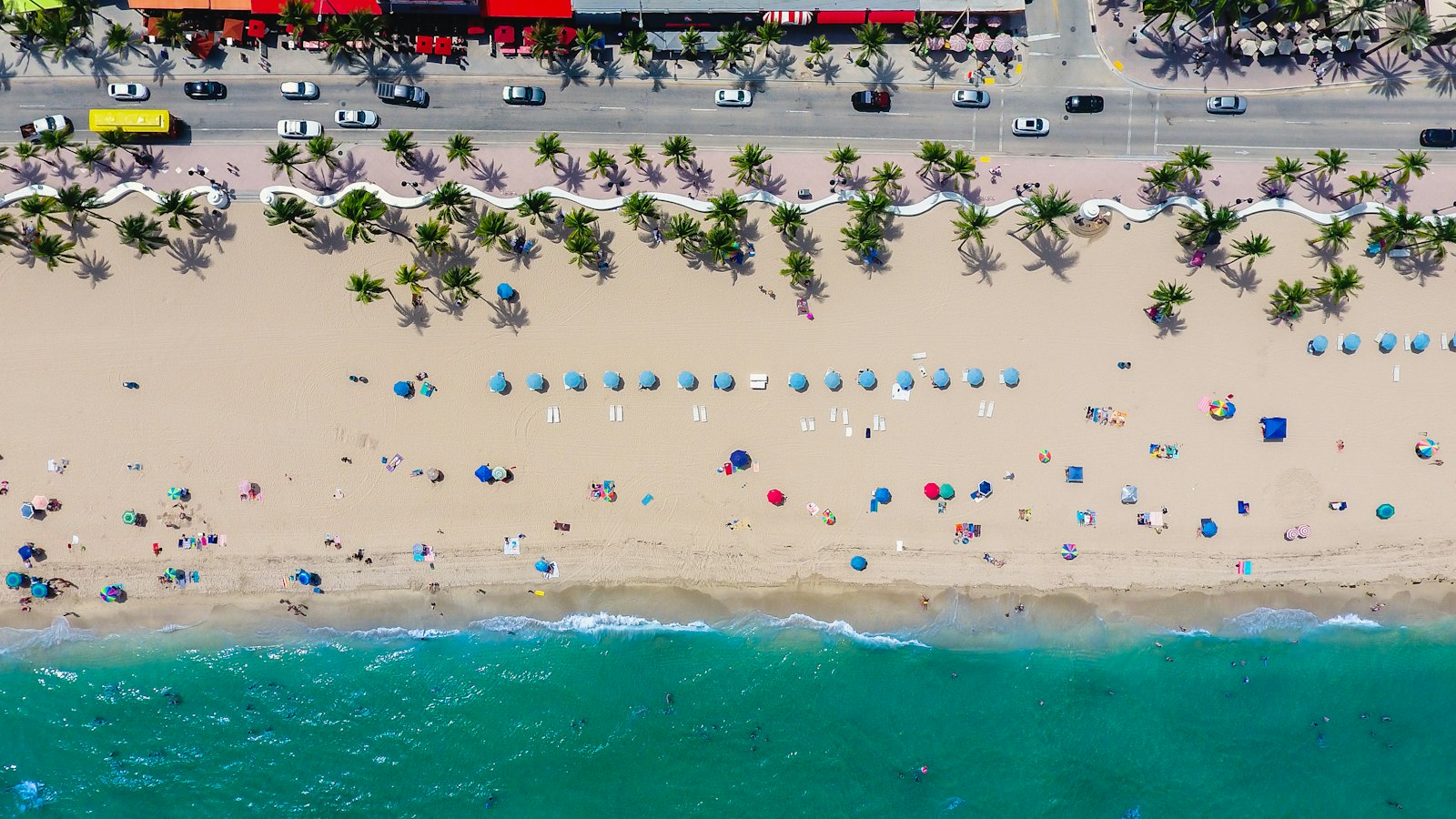
Fort Lauderdale’s lifeguards are some of the best in the state, and they stay busy. On high rip current days, it’s not unusual for them to pull a dozen or more swimmers out of the water.
The other hazard here is the Portuguese man o’ war. When strong east winds blow, these bright blue floaters wash ashore by the hundreds. Their sting is extremely painful, and even the ones lying dead on the sand can still sting you.
Spring break crowds make everything a little more chaotic, and the stretch of sand along A1A near Las Olas gets packed shoulder to shoulder on weekends.
How to stay safe:
Look for purple flags, which mean dangerous marine life is in the water. Don’t touch anything blue and balloon-like on the beach, and wear water shoes if you’re walking the wrack line.
The city runs a beach conditions hotline at 954-828-4597 that’s updated daily, so it’s worth a quick call before you go.
6. Jupiter (In Shark Season)
Why it’s dangerous:
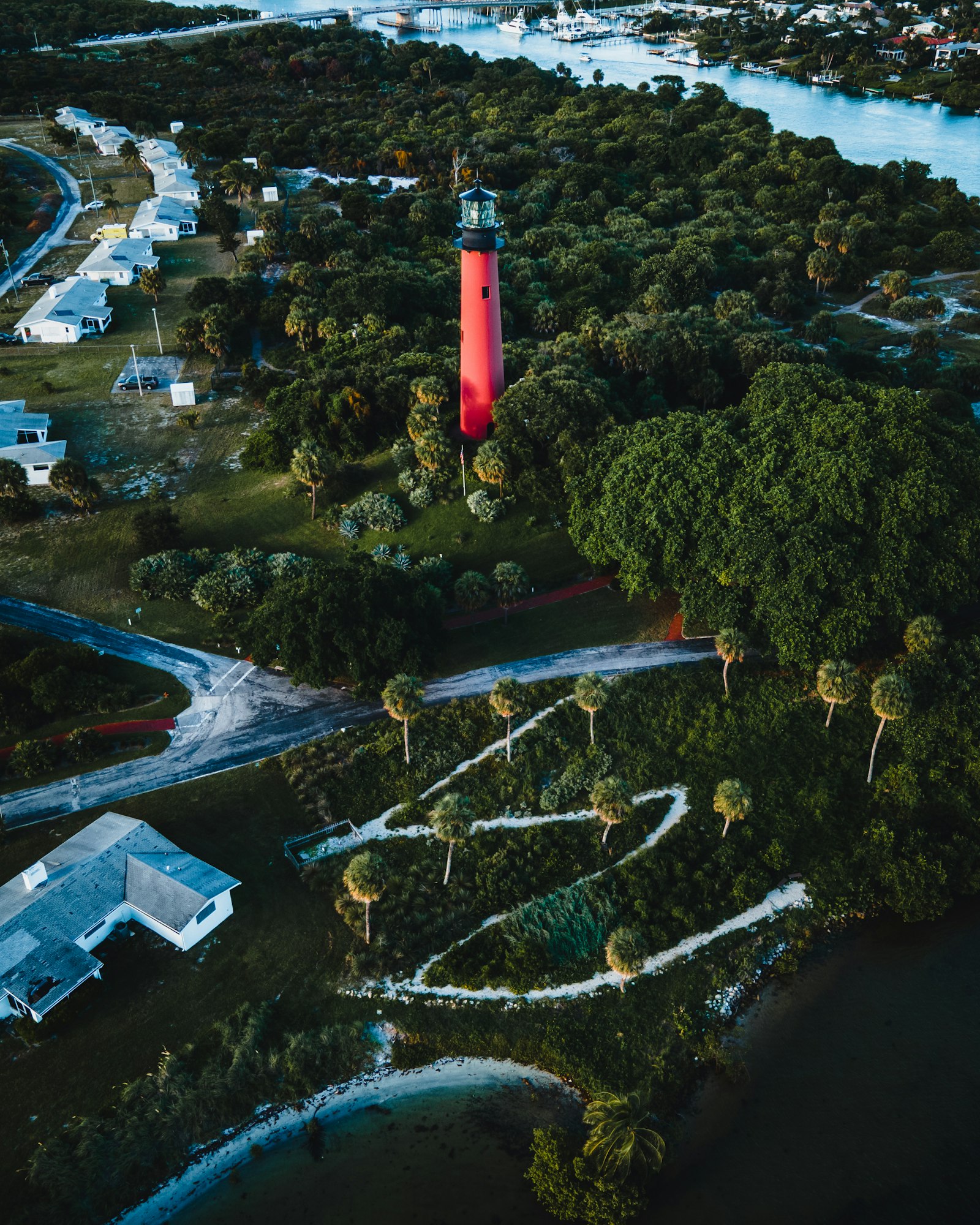
Every winter, tens of thousands of blacktip sharks migrate south to the warm, clear water off South Florida. Researchers at Florida Atlantic University have found the biggest crowds between Palm Beach and the Jupiter Inlet, often just a few yards from where people are swimming.
The sharks usually arrive in January and stick around into March. Bites are rare, but blacktips are responsible for most of the shark bites in Florida.
The Jupiter Inlet also has strong tidal currents, just like Boynton and Haulover.
How to stay safe:
Avoid murky water, especially after beach renourishment projects stir up the sand. Stay away from people fishing, and skip swimming at dawn and dusk.
Honestly, the sharks are a better show from above. Climb the Jupiter Inlet Lighthouse, or watch the migration from the Juno Beach Pier.
7. Stuart Beach (Hutchinson Island)
Why it’s dangerous:
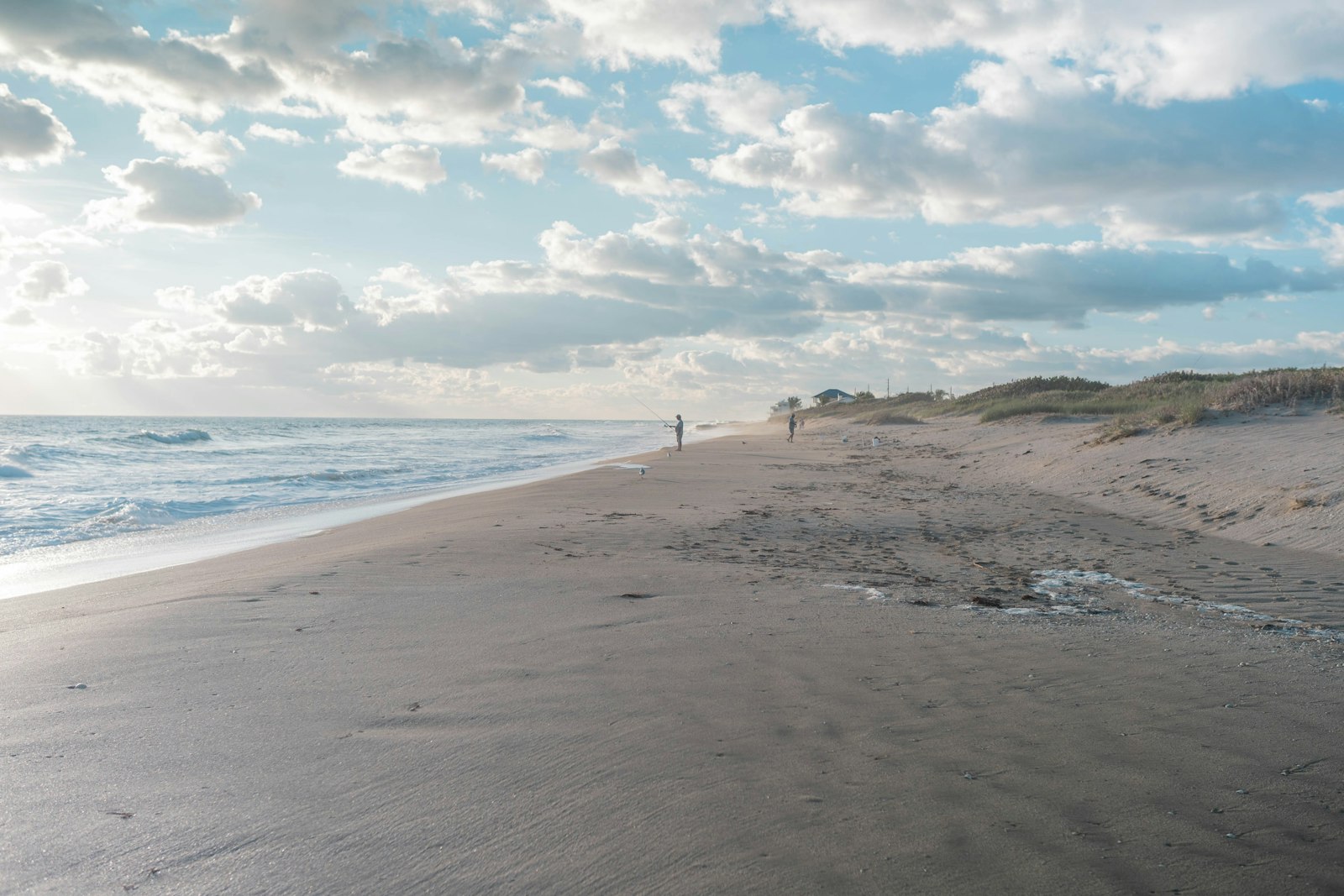
Stuart sits just north of Palm Beach County, at the northern edge of South Florida, and Hutchinson Island has some of the strongest rip currents in the region.
In June 2024, a vacationing couple from Pennsylvania drowned in a rip current here while their six children watched from the beach. They were swimming in front of a private, unguarded stretch of sand, several hundred yards from the nearest lifeguard tower, which was already flying a red flag.
It’s a heartbreaking reminder that a calm-looking beach can still be dangerous.
How to stay safe:
If you’re staying at a resort or timeshare on Hutchinson Island, walk or drive to Stuart Beach Park or Jensen Beach Park to swim near a guard. The few extra minutes are worth it.
Want calmer water? Bathtub Reef Beach, at the south end of the island, is protected by a nearshore reef and is a favorite with families when conditions allow. Check that it’s open first, since rough surf and erosion close it from time to time.
Local Tips For Staying Safe At South Florida Beaches
✅ Always swim near a staffed lifeguard tower. It’s the single best thing you can do.
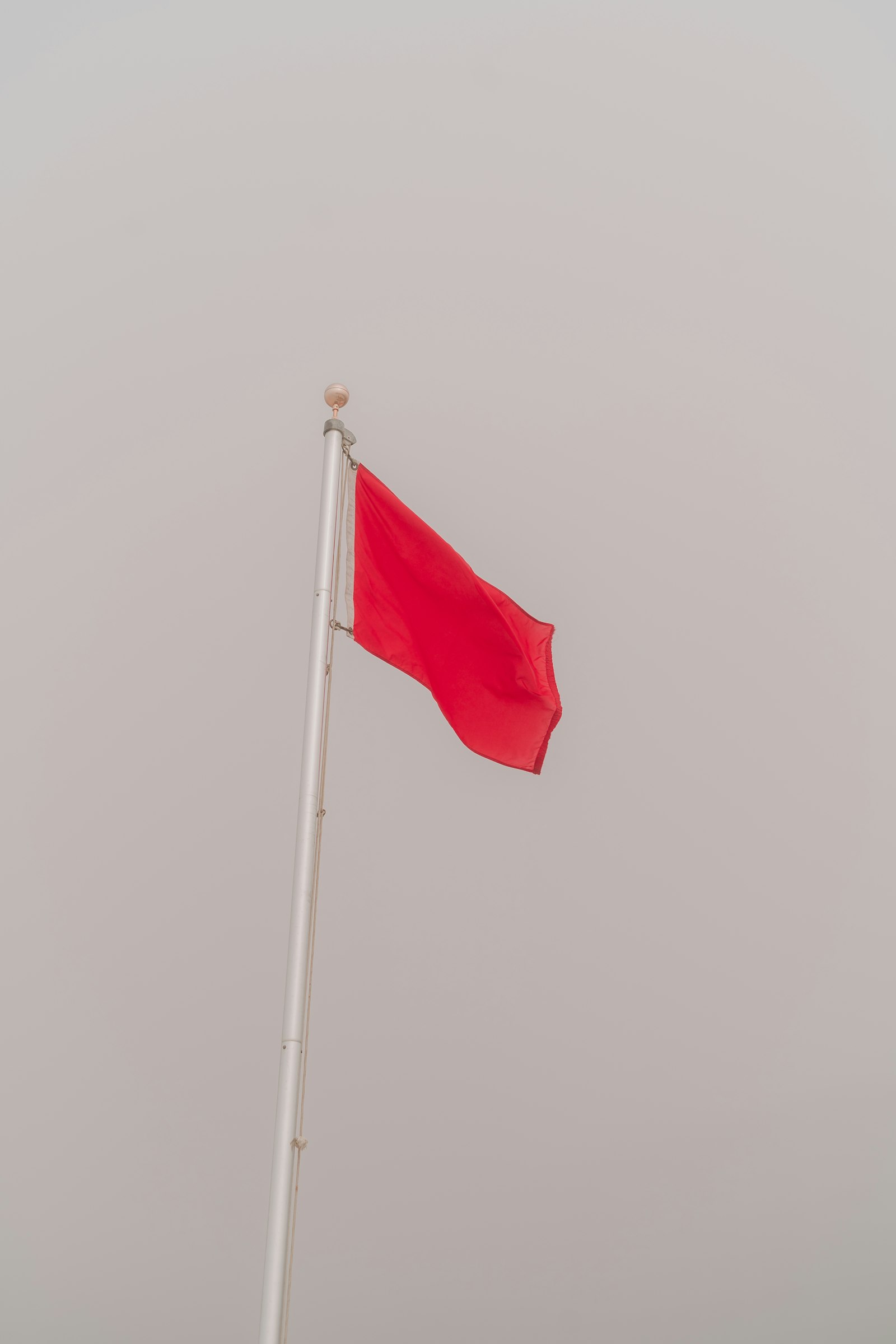
✅ Check the flag before you get in the water, every single time.
✅ If you get caught in a rip current, don’t fight it. Swim parallel to the shore until you’re free, then swim back in at an angle.
✅ Stay away from inlets, jetties and piers when you’re swimming.
✅ Never swim alone, and never swim after drinking.
✅ Watch for purple flags and blue bubbles on the sand during man o’ war season.
✅ Rip currents can happen on sunny, beautiful days. Good weather doesn’t mean safe water.
What To Do If You Get Caught In A Rip Current
A rip current is a narrow channel of water flowing away from shore. It won’t pull you under, but it can carry you out past the breaking waves surprisingly fast. Most drownings happen when swimmers panic and try to swim straight back to the beach against the current until they’re exhausted.
Instead, stay calm and float. Wave and yell for help so a lifeguard can see you. When you’re ready, swim parallel to the shoreline until you feel the pull let go, then swim back in at an angle.
If you see someone else in trouble, don’t go in after them. Call 911, alert a lifeguard, and throw them something that floats, like a cooler, boogie board or life jacket. Far too many rip current victims are people who went in to help.
When Are Rip Currents Worst In South Florida?
Rip currents can happen any day of the year, but they’re most common when strong east or northeast winds blow onshore for a few days in a row. In South Florida, that often means late fall and winter cold fronts, plus the windy days of spring.
Summer can bring its own risk too, since that’s when the beaches are most crowded and swells from distant tropical storms roll in.
A Quick Beach Flag Cheat Sheet
Green flag: Low hazard. Calm conditions, but still use caution.
Yellow flag: Medium hazard. Moderate surf and currents.
Red flag: High hazard. Strong surf and dangerous currents.
Double red flag: Water is closed to the public.
Purple flag: Dangerous marine life, like man o’ war or jellyfish.
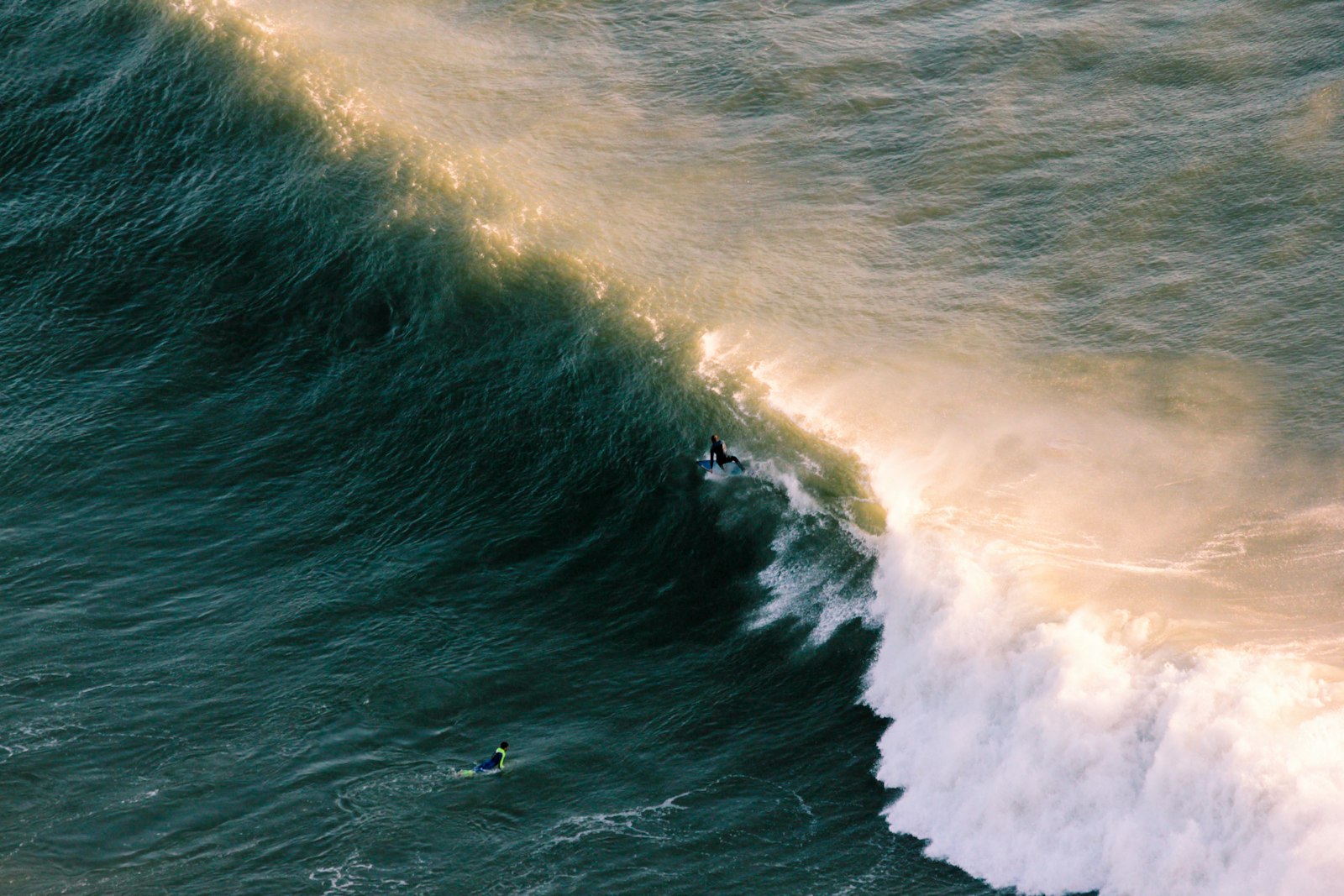
Final Thoughts: 7 Most Dangerous Beaches In South Florida
South Florida has some of the most beautiful beaches in the country. You just have to respect the ocean.
Most of the beaches on this list are local favorites, and millions of people visit them safely every year. The ones who get into trouble are usually swimming in unguarded areas, near an inlet, or on a red flag day.
Pick a guarded beach, check the flags, and keep an eye on your kids. Do that, and you’ll spend your trip doing what South Florida does best: soaking up the sun.
Safe travels!
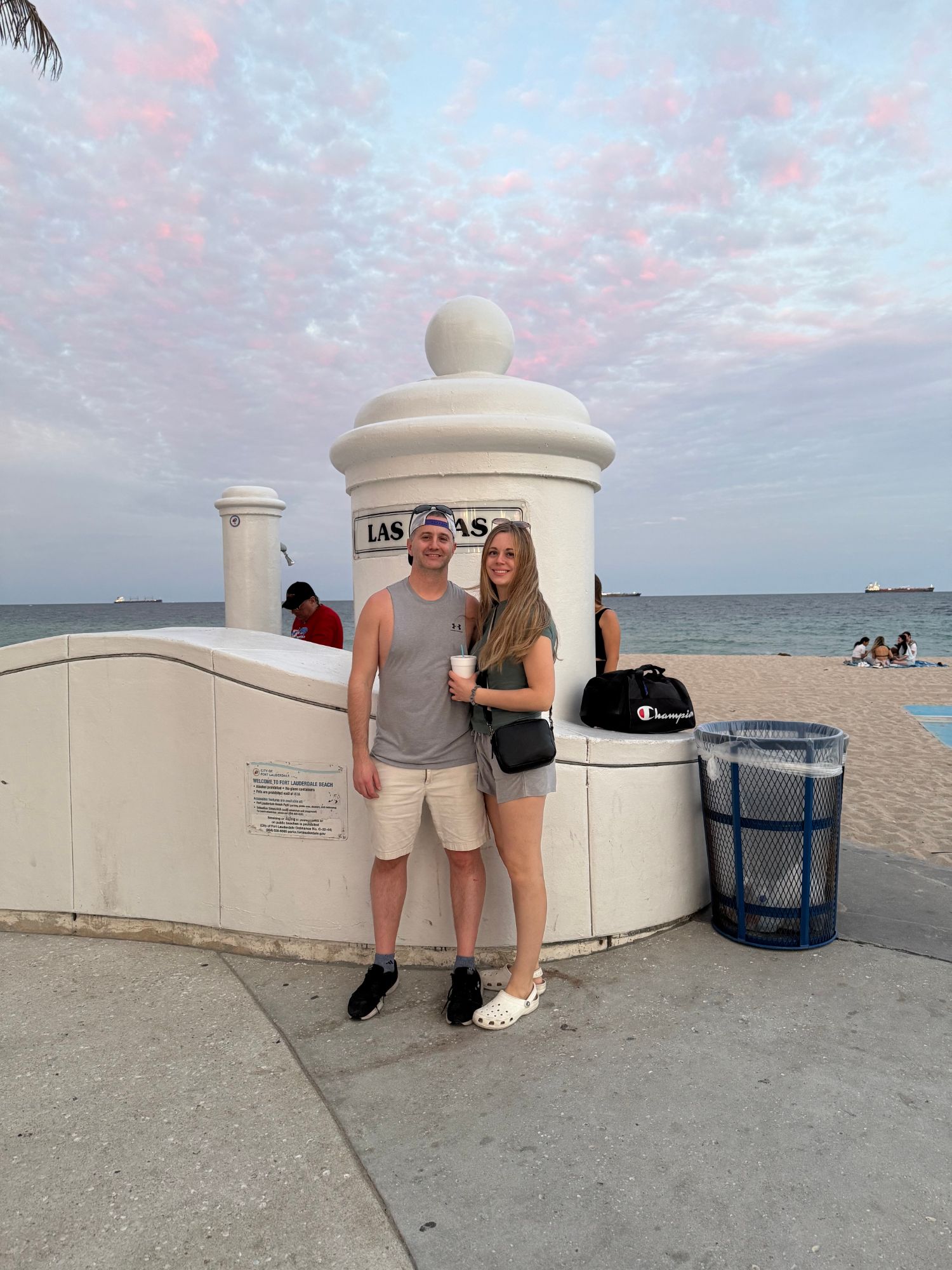
South Florida beaches are still very much worth visiting. Just take safety precautions!
Always On The Shore contains affiliate links and if you make a purchase, we make a small commission at no cost to you.
For more information, please read the disclaimer page.