
Last Updated on November 20, 2026
The Florida Panhandle has some of the prettiest water in the country.
Sugar-white sand, emerald green waves, and beach towns like Pensacola, Destin and Panama City Beach that fill up every spring and summer.
But here’s what a lot of visitors don’t realize: the Panhandle is also one of the most dangerous stretches of coastline in the United States for swimmers. Rip currents along this part of the Gulf take more lives than sharks, lightning and hurricanes combined in most years.
Panama City Beach has led the entire country in surf zone deaths more than once in recent years, according to National Weather Service data. And almost every summer brings a new string of headlines from Pensacola, Navarre, Destin and the 30A beaches about visitors who got pulled out on a red flag day.
That doesn’t mean you should skip the Panhandle. It means you should know which spots are risky, when they’re risky, and where the calmer water is. Most of the time, a safer option is only a few miles away, and sometimes it’s just on the other side of the road.
Here are 7 of the most dangerous beaches on the Florida Panhandle, and where to go instead.
Booking a last-minute trip to Florida?
If so, we have you covered. Here are some top recommended tours and experiences!
Top Tours in Florida – Viator
Top Hotels In Florida – Booking.com
Looking To Get Around In Florida?
Check out rental car rates here! 🚗
1. Panama City Beach (Near The Piers)
Why it’s dangerous:
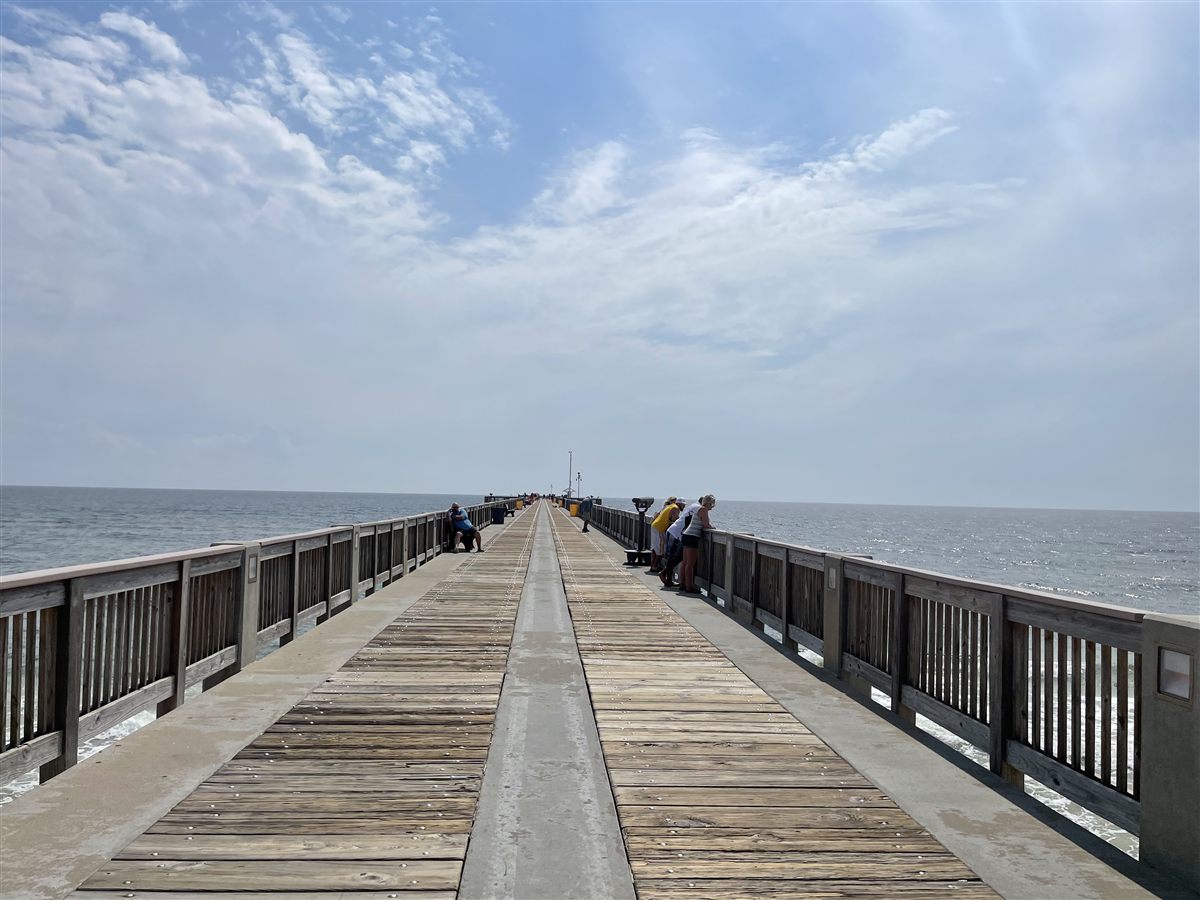
Panama City Beach is the busiest beach on the Panhandle, and it’s also the deadliest. The area has topped the National Weather Service’s list of surf zone fatalities in multiple years, and June 2023 brought a string of drownings that made national news.
The two big fishing piers, Russell-Fields Pier (City Pier) and the M.B. Miller County Pier, are the biggest trouble spots. Rip currents love to form next to piers and other fixed structures, and those currents can run right along the pilings and straight out past the end.
The other problem is the sandbar. PCB has a shallow bar a short swim offshore, and the troughs between the bar and the beach funnel water back out to the Gulf. People wade out to the sandbar on a calm-looking morning, the wind picks up, and the swim back turns into a fight against the current. Many of the victims are strong swimmers who simply didn’t expect it, and many are visitors who went in on a red flag day.
Bay County and the city of Panama City Beach now hand out $500 fines for going into the Gulf when double red flags are flying, and repeat offenders can face bigger fines or even arrest.
Go here instead: St. Andrews State Park’s Kiddie Pool
Just east of the busy strip, St. Andrews State Park has one of the calmest swimming spots on the entire Panhandle.
The Kiddie Pool is a shallow, protected lagoon tucked behind the rock jetties at the entrance to St. Andrew Bay. The jetties block most of the waves, the water is clear enough to snorkel, and you’ll see fish, crabs and sometimes dolphins. It’s a great spot for families with younger kids. Just stay inside the protected area and away from the open end of the jetties and the pass itself, where boat traffic and tidal currents are strong. Get there early in summer, because the park fills up and closes the gate when it’s full.

2. Pensacola Beach (Near Pensacola Pass)
Why it’s dangerous:
Pensacola Beach is one of the prettiest beaches in Florida, but the western end of Santa Rosa Island is no place for a casual swim.
Out past Fort Pickens, the island ends at Pensacola Pass, the channel that connects Pensacola Bay to the Gulf. A huge volume of water moves through that pass every time the tide changes, and the currents there are strong, deep and unpredictable. There are no lifeguards out there, and swimming near the pass is strongly discouraged.
The main Gulf-side beach near Casino Beach and the Pensacola Beach Gulf Pier gets rough too. Escambia County has seen drownings over the years during red flag conditions, especially in early summer when storms out in the Gulf push big surf onto the island. The water looks gorgeous, which is part of the problem. Many visitors don’t realize how strong it is until they’re already in it.
Go here instead: Quietwater Beach
Just across the road from Casino Beach is Quietwater Beach, on the Santa Rosa Sound side of the island.
Like the name says, the water here is usually flat and calm, with no big surf and no rip currents to worry about. It’s shallow, easy to wade and right next to the boardwalk shops and restaurants, so it’s an easy place to spend a whole afternoon with kids. You get the same white sand without the waves. If you really want the Gulf, swim in front of a staffed lifeguard tower near Casino Beach on a green or yellow flag day.
3. Destin’s East Pass & Norriego Point
Why it’s dangerous:
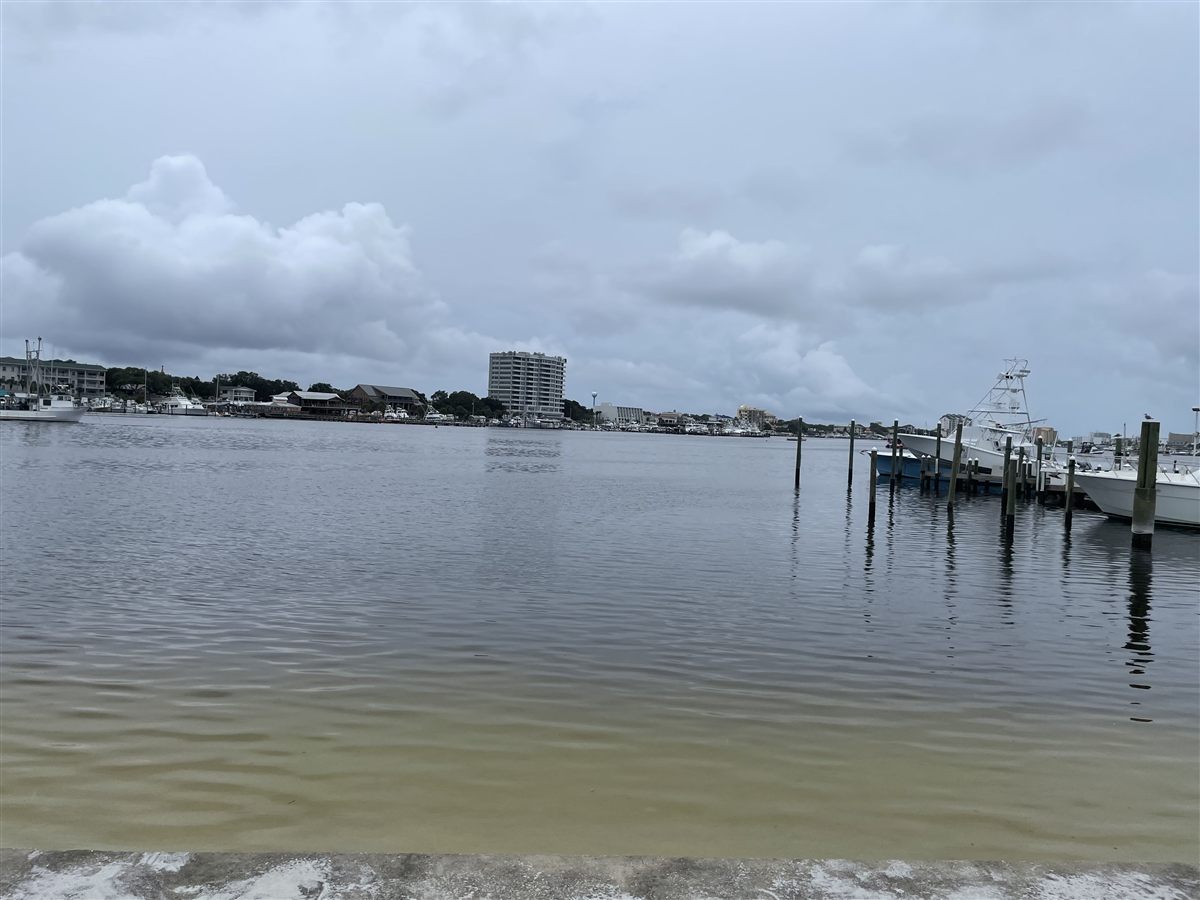
Destin has some of the most beautiful water on the Gulf Coast, and the East Pass is a big reason why. It’s the inlet where Choctawhatchee Bay meets the Gulf, and that tidal flow pulls clear green water right up into the harbor.
That same flow is what makes the pass dangerous. Currents in the East Pass can be extremely strong, especially on an outgoing tide, and the jetties on either side create their own rip currents along the rocks. Norriego Point, the sandy spit right next to the pass, is a popular hangout, but swimming off the Gulf-facing end of the point or anywhere near the jetties is a bad idea.
The Destin area has also had high-profile drownings on the Gulf side. Former NFL quarterback Ryan Mallett drowned off a Destin beach in 2023 during dangerous rip current conditions, a sad reminder that being athletic doesn’t make anyone rip-proof.
Go here instead: The Boardwalk on Okaloosa Island
A few minutes west across the bridge, the beach behind the Boardwalk on Okaloosa Island is one of the better-watched beaches in the area.
Okaloosa County Beach Safety staffs lifeguard towers here during the busy season, there’s plenty of parking, and you’re close to restrooms, restaurants and the Okaloosa Island Fishing Pier. Set up near a tower, check the flag before you go in, and you’ve got the same Destin-style water with someone keeping an eye on it. Just stay well away from the pier itself when you swim.

4. Crab Island: Swim Here But Be Cautious
Why to be cautious:
Crab Island isn’t really an island at all. It’s a big, shallow sandbar on the north side of the Destin Bridge where hundreds of boats anchor up on summer weekends. It’s a floating party, and it’s a lot of fun.
Overall, Crab Island is a safe place to swim. The water is only a few feet deep in most spots, so most people spend the day standing, floating and wading in clear, warm water. I’ve been here a couple of times and have felt completely safe every visit.
That said, there are a few dangers to know about. The edges of the sandbar drop off into the deeper boat channel, and the tidal current from the East Pass runs through the area, especially on an outgoing tide. Add boat traffic, propellers, heat, alcohol and a lot of kids in the water, and it pays to stay alert.
The biggest danger is trying to swim to Crab Island from land. It looks close from the shore near the Destin Bridge, but you’d have to cross deep water with strong currents and boat traffic, and swimmers have drowned trying it. Never try to swim to Crab Island.
How to visit safely:
The best way to get to Crab Island is by boat or jet ski. If you don’t know the area well, I recommend booking a tour with a boat captain. A local captain knows the tides, the channel and where to anchor, so all you have to do is hop in the water and enjoy yourself.
Once you’re there, always use safety precautions. Keep life jackets on kids and weak swimmers, stay on the shallow part of the sandbar, and keep an eye on the boats moving around you. Drink plenty of water, wear reef-safe sunscreen and keep track of the tide so you’re not surprised when the current picks up. Do that, and Crab Island is one of the most fun days you can have on the Emerald Coast.
5. Stump Hole On Cape San Blas
Why it’s dangerous:
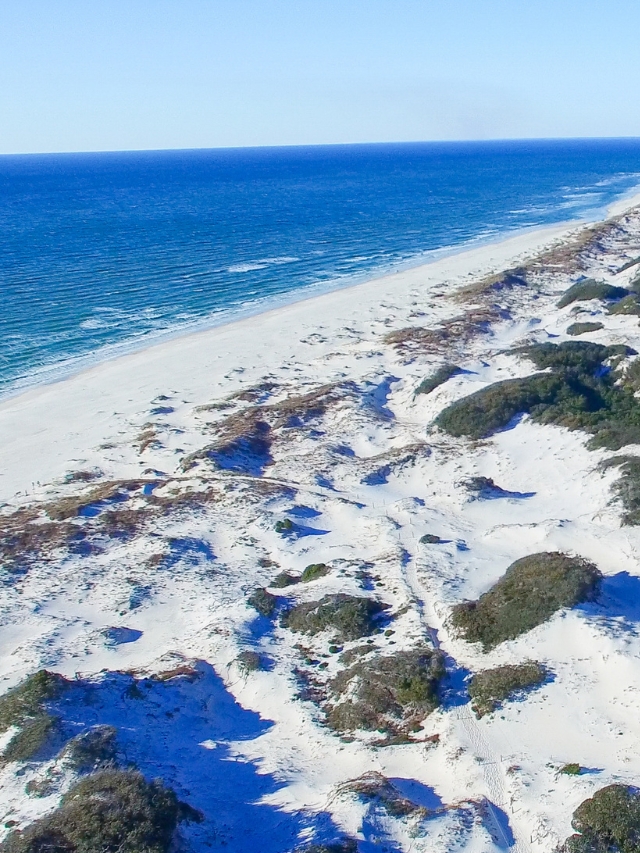
Cape San Blas is wild and beautiful, with wide beaches, dark sky sunsets and very few crowds. But the Stump Hole, a stretch of shoreline on the narrowest part of the peninsula, is not a swimming beach.
Erosion here is so bad that the county had to armor the shoreline with large rocks to protect the road. Those rocks sit right in the surf, and the water around them churns and pulls hard. Rip currents form along the cape regularly, the drop-offs can be steep, and there are no lifeguards anywhere on this part of Gulf County.
The cape itself sticks out into the Gulf, which means it catches more wave energy than the beaches around it. On a windy day, conditions change quickly, and help can be a long way off.
Go here instead: The St. Joseph Bay Side
Head to the other side of the peninsula and you’re on St. Joseph Bay, one of the calmest bodies of water in Florida.
The bay is shallow, protected and full of seagrass, which makes it a favorite for paddleboarding, kayaking and scalloping in the summer. You can wade out a long way in knee-deep water, and kids can look for hermit crabs and little fish along the shoreline. Port St. Joe has easy bay access too, plus a quiet, old Florida downtown that’s worth wandering after lunch.
6. Bob Sikes Cut On St. George Island
Why it’s dangerous:
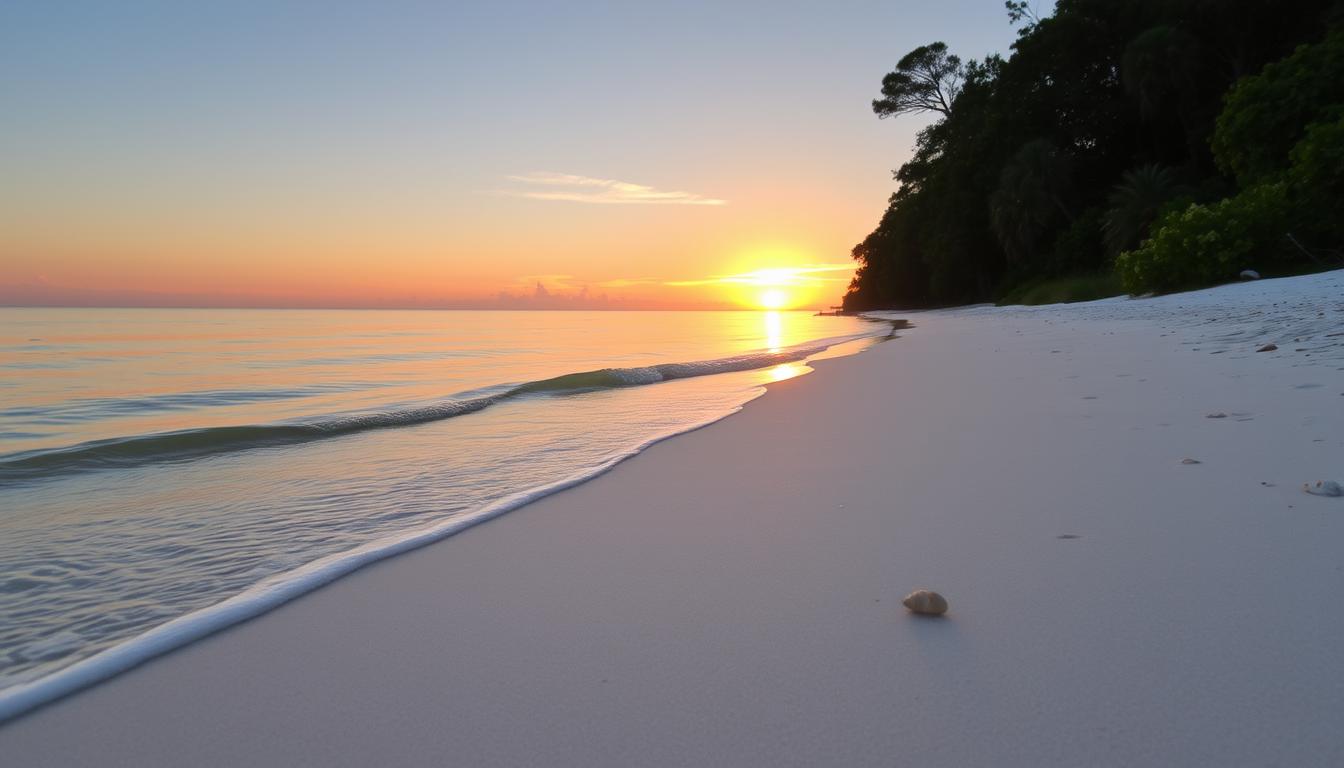
St. George Island is one of the best quiet beach towns left in Florida, but the far west end of the island has a serious hazard.
Bob Sikes Cut is a man-made channel that separates St. George Island from Little St. George Island. Like any pass, it moves a huge amount of water in and out with the tides, and the current running through it is powerful. Anglers love it, but it’s not a place to swim, wade deep or let kids play near the edge.
The Gulf beaches on St. George also get rip currents, and most of the island has no lifeguards. That means it’s on you to know the flags, watch the conditions and stay close to shore.
Go here instead: Mexico Beach
About an hour west, Mexico Beach is a small, laid-back town that has been rebuilding beautifully since Hurricane Michael.
The beach here has a gentle slope, smaller surf on most days and far fewer people than the bigger Panhandle towns. You can grab fresh seafood, take a long walk on the sand and swim in a quiet stretch of water without fighting crowds. Like everywhere on the Gulf, it can still get rough on a windy day, so check the flags, but on a normal day it’s one of the most relaxed swims on the Forgotten Coast.

7. Remote Stretches Of Gulf Islands National Seashore
Why it’s dangerous:
Gulf Islands National Seashore protects miles of untouched beach between Pensacola Beach and Navarre, plus Johnson Beach on Perdido Key. It’s gorgeous, and it’s empty, which is exactly why it’s risky.
Away from the main parking areas, there are no lifeguards, no towers and sometimes spotty cell service. Rip currents form here just like anywhere else on the Panhandle, but if someone gets in trouble, nobody may be close enough to help. Areas like Opal Beach and the far ends of Johnson Beach see plenty of people swimming alone, often after walking a long way from the car.
These are wonderful places to walk, look for shorebirds and watch the sunset. They’re just not great places to swim alone on a rough day.
Go here instead: Navarre Beach
Head east to Navarre Beach and you get the same quiet, natural feel with a lot more support.
Navarre is one of the least developed beach towns on the Panhandle, but it has lifeguards near the main beach area during the busy season, plus the Navarre Beach Fishing Pier, the longest pier on the Gulf of Mexico. Swim near a tower and away from the pier, and you’ll get clear water, soft sand and a relaxed, family-friendly vibe. It’s also home to the Navarre Beach Sea Turtle Conservation Center, which is a great stop with kids.

Local Tips For A Safe Panhandle Beach Day
Every public beach on the Panhandle uses the same beach warning flag system, so learn it before you go.
Green flag: Low hazard. Calm conditions, but still use caution.
Yellow flag: Medium hazard. Moderate surf and/or currents.
Red flag: High hazard. High surf and/or strong currents.
Double red flags: The water is closed to the public.
Purple flag: Dangerous marine life, usually jellyfish or stingrays.
No flag does not mean safe. It may just mean nobody is watching.
How To Escape A Rip Current If You Get Caught
First, don’t panic, and don’t try to swim straight back to the beach. A rip current won’t pull you under, it pulls you out. Swim parallel to the shoreline until you feel the pull let go, then angle back toward the sand. If you’re too tired, flip on your back, float, wave your arms and yell for help. Most rip current deaths happen because people wear themselves out fighting the water.
If you see someone else in trouble, don’t jump in after them. Throw them something that floats, call 911 and keep your eyes on them. Sadly, a lot of Panhandle drownings involve someone who went in to help.
A Quick Panhandle Beach Safety Cheat Sheet
Best for little kids: St. Andrews State Park’s Kiddie Pool or Quietwater Beach.
Best for calm wading: The St. Joseph Bay side of Cape San Blas.
Best lifeguarded Gulf swimming: Okaloosa Island, Navarre Beach and the 30A regional beach accesses.
Best time to swim: Early morning, before the afternoon wind picks up.
Places to never swim: Passes, jetties, and anywhere close to a pier.

So, Is The Florida Panhandle Safe For Swimming?
Yes, as long as you respect the Gulf. Most days on the Panhandle are perfectly safe for a swim.
Most beach deaths here happen on red and double red flag days, and most involve visitors who didn’t know the warnings or decided to ignore them.
Swim near a lifeguard, check the flags every time you go in, stay away from piers, jetties and passes, and never let kids swim unattended. When the Gulf is rough, head to the bay or sound side instead, because the water is almost always calmer just a few minutes away. Do that, and the Panhandle is one of the most beautiful places in the country to spend a beach day.
Safe travels!
Always On The Shore contains affiliate links and if you make a purchase, we make a small commission at no cost to you.
For more information, please read the disclaimer page.