Last Updated on November 19, 2026
Florida sells a pretty convincing retirement dream.
Warm winters, no state income tax, golf carts, sunset happy hours, and a beach that’s never more than an hour or two away.
And for a lot of people, that dream is real. Millions of retirees have made the move, and most of them will tell you they’d do it again.
But here’s what the glossy brochures and relocation videos tend to skip: the cost of living in some of Florida’s most popular retirement towns has climbed fast. Homeowners insurance has more than doubled in parts of the state over the past few years. New condo safety laws have triggered big special assessments. HOA and community fees keep creeping up, and housing prices in the most desirable coastal towns have left plenty of newcomers stunned.
None of that means these towns are bad places to live. Most of them are wonderful. It just means you should go in with your eyes open.
Here are 7 Florida towns that look like retirement paradise until you see the cost of living, plus the honest reasons people still visit (and still move there) anyway.
Booking a last-minute trip to Florida?
If so, we have you covered. Here are some top recommended tours and experiences!
Top Tours in Florida – Viator
Top Hotels In Florida – Booking.com
Looking To Get Around In Florida?
Check out rental car rates here! 🚗
1. Naples
The catch:
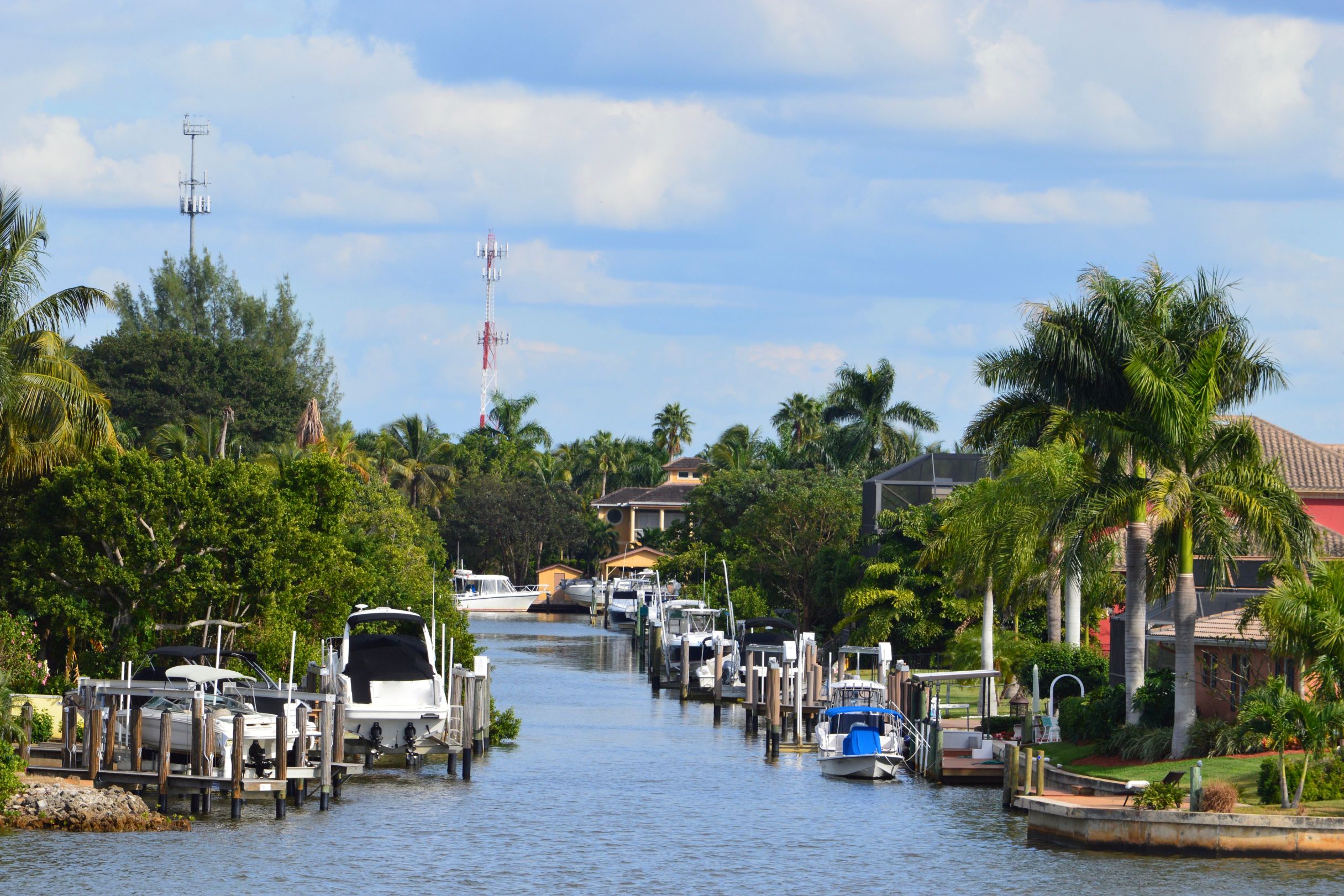
Naples consistently ranks among the wealthiest towns in America, and the prices reflect it. Homes in Old Naples and near the beach routinely sell for well over $1 million, and even condos a few miles inland can cost more than newcomers expect.
Insurance is the bigger surprise. Naples took a serious hit from Hurricane Ian in 2022, and many coastal homes now carry homeowners and flood policies that together run well into five figures a year.
Add in country club memberships (some with initiation fees north of $100,000) and restaurant prices that feel more Manhattan than Gulf Coast, and the monthly budget adds up quickly.
Why people still visit:
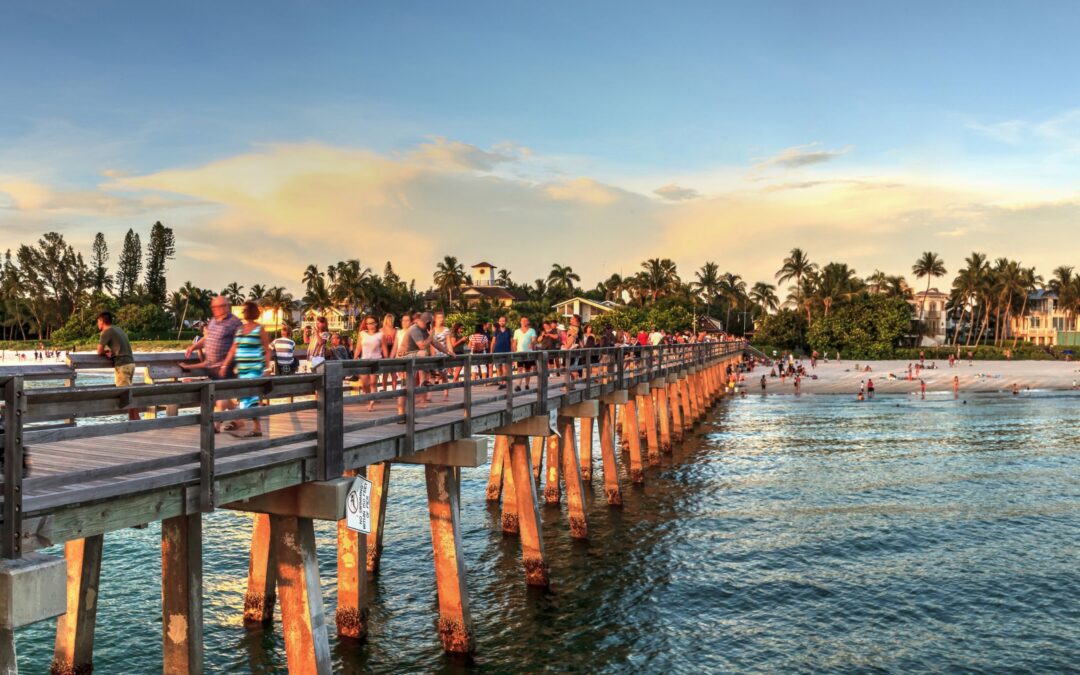
Naples is spotless, safe, and genuinely beautiful. The beaches are wide and calm, the sunset at the Naples Pier draws a crowd every evening, and Fifth Avenue South is one of the most walkable downtowns in Florida.
If the budget doesn’t stretch to living here, a winter vacation rental or a long weekend gives you the best of Naples without the insurance bill.

2. The Villages
The catch:
The Villages calls itself Florida’s Friendliest Hometown, and home prices can look reasonable compared to the coast. But the sticker price isn’t the whole story.
Every home pays a monthly amenity fee (roughly $200 a month in recent years), and many homes, especially in the newer villages, also carry a Community Development District bond assessment that can add thousands of dollars a year. Some buyers don’t realize that bond is attached to the property until they see it on the tax bill.
Golf cart upgrades, club dues, and an endless calendar of activities also make it very easy to spend money every single day.
Why people still visit:
For the social life alone. There are thousands of clubs, free live music in the town squares every night, dozens of executive golf courses included with the amenity fee, and a built-in community that makes it easy to make friends fast.
Being inland also means far fewer storm surge worries than the coastal towns on this list, and insurance tends to be easier to find.
3. Sarasota
The catch:
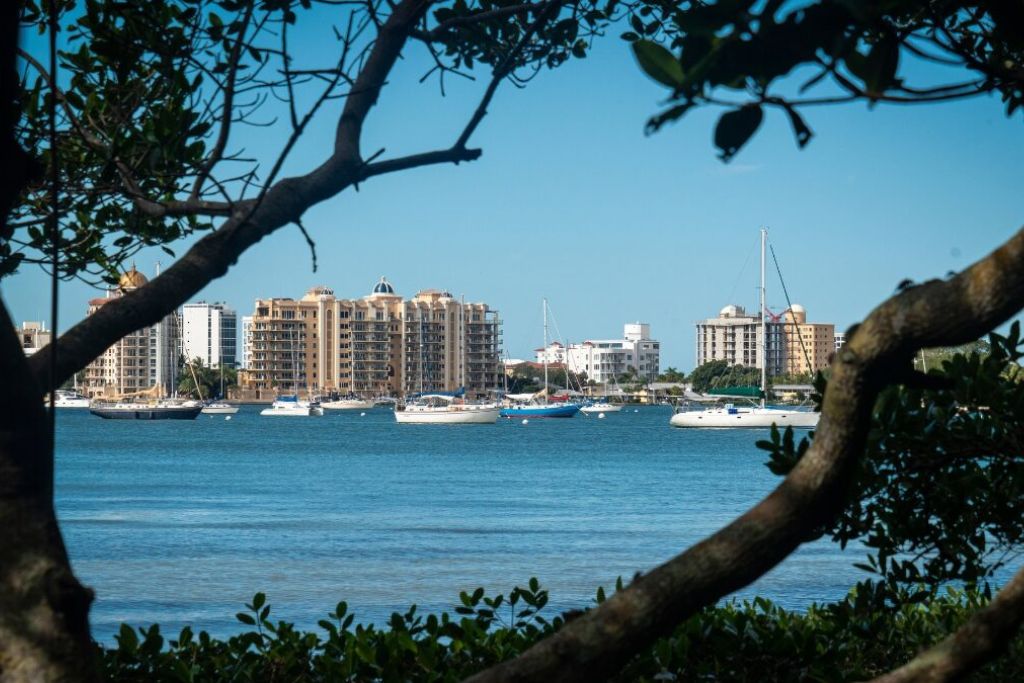
Sarasota has been one of the hottest retirement markets in the country, and housing costs jumped sharply during and after the pandemic. Prices have cooled a bit since, but homes on Lido Key, Longboat Key, and Siesta Key are still a big leap for most budgets.
Back-to-back Hurricanes Helene and Milton in 2024 flooded parts of the barrier islands and left many residents dealing with rebuilds, rising premiums, and tougher flood insurance requirements.
Many older condo buildings are also facing special assessments as they catch up on the structural inspections and reserve funding required under Florida’s post-Surfside condo laws.
Why people still visit:
Culture. Sarasota punches way above its weight with the Ringling Museum, the Sarasota Opera, the Van Wezel, and a downtown packed with great restaurants. Siesta Beach, with its powdery quartz sand, regularly ranks as one of the best beaches in the country.
It’s a town that never feels boring, which is exactly why people keep coming back.
4. Cape Coral
The catch:
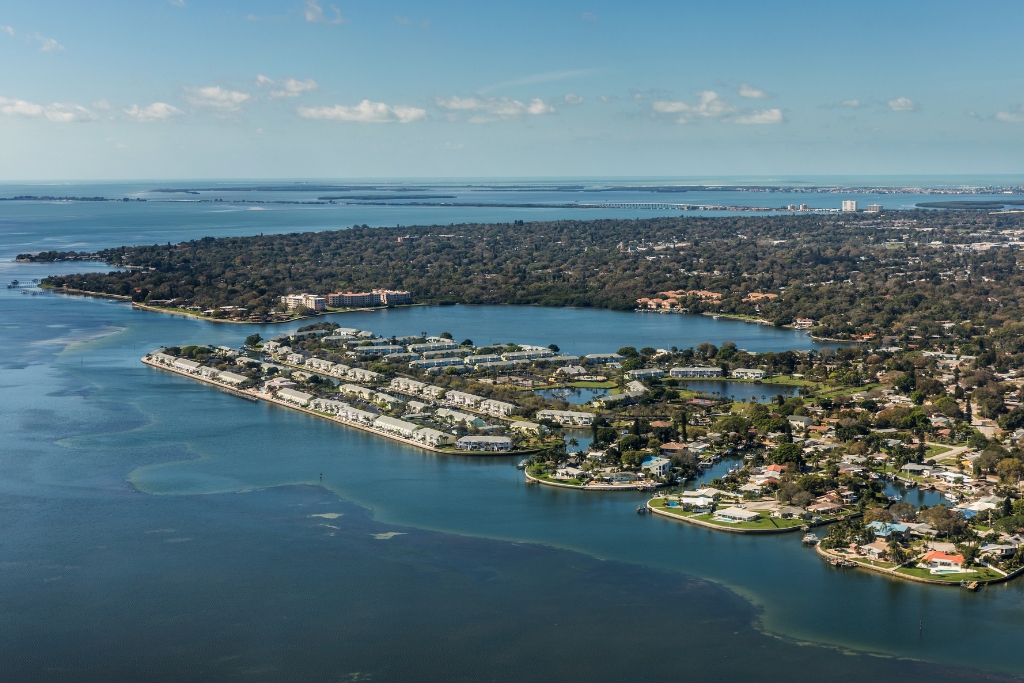
Cape Coral is famous for its roughly 400 miles of canals and home prices that look like a bargain next to Naples or Sarasota. That’s what makes it so tempting.
But many canal homes sit in high-risk flood zones, and flood plus wind coverage can be a major monthly expense. Hurricane Ian hit Cape Coral hard, and rebuilding cost a lot of homeowners more than they ever planned for.
Buyers should also ask about seawall condition and the city’s utility expansion assessments, which in some neighborhoods have meant a five-figure charge for water and sewer hookups. A seawall replacement alone can run tens of thousands of dollars.
Why people still visit:
Boating. You can step out the back door, hop in your boat, and be headed for the Gulf in minutes. Cape Coral has a relaxed, small-town feel, great fishing, and a growing restaurant scene.
For visitors, Fort Myers Beach and Sanibel are a short drive away, and Cape Coral rentals with a private pool and dock are some of the best values in Southwest Florida.
5. Marco Island
The catch:
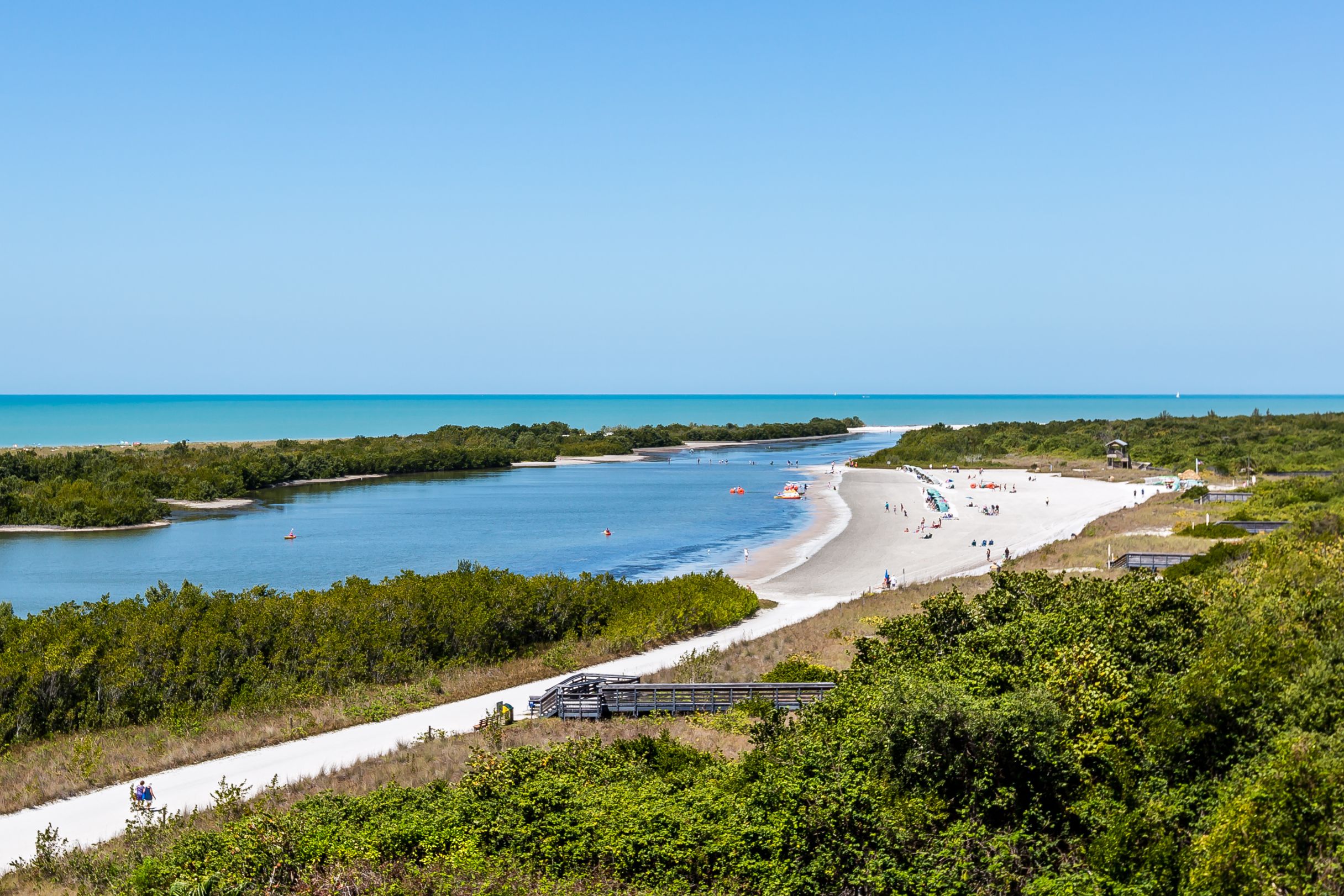
Marco Island is about as close to a tropical island as you can get in mainland Florida, and the prices match. Waterfront homes regularly top $2 million, and many of the beachfront condo towers are older buildings now going through costly milestone inspections and reserve studies.
Owners in some buildings have faced special assessments in the tens of thousands of dollars, on top of rising HOA dues and insurance. Groceries, dining, and services also come at an island premium.
Why people still visit:
The beaches are stunning, the water is calm, and Tigertail Beach is one of the best spots in Southwest Florida for shelling and bird watching. Marco also has a quieter, more laid-back vibe than Naples, with fantastic fishing and dolphin tours.
Renting for a week or a month in winter is a great way to enjoy Marco without signing up for the assessments.

6. Vero Beach
The catch:
Vero Beach has a reputation as one of the quietest, most charming towns on the Treasure Coast, and the barrier island is where everybody wants to be. That’s where the costs climb.
Island homes can easily cost twice what similar homes cost on the mainland, and wind insurance on the Atlantic coast isn’t cheap. Many of the gated communities and golf clubs on the island also come with steep HOA dues and membership fees.
Vero also lacks some big-city conveniences, so certain medical specialists, major airports, and big shopping trips can mean a drive to Orlando or West Palm Beach.
Why people still visit:
No high-rises, no crowds, and plenty of room on the sand. Vero’s beaches feel like Florida from 30 years ago. Ocean Drive is lined with boutiques and cafes, McKee Botanical Garden is lovely, and the Indian River Lagoon is great for kayaking and fishing.
It’s the kind of place people visit once and then come back to every single winter.

7. Punta Gorda
The catch:
Punta Gorda is often pitched as the affordable alternative to Naples and Sarasota, and in many ways it is. But some of its most desirable neighborhoods, like Punta Gorda Isles, are canal communities in flood zones, which makes flood insurance a must.
Charlotte County was hit by Hurricane Ian in 2022 and again by Milton in 2024, and insurance premiums followed. Many newer deed-restricted and gated communities also carry HOA fees and CDD assessments that newcomers don’t always budget for.
Home prices have also risen faster than local wages, so “affordable” is relative.
Why people still visit:
Punta Gorda rebuilt beautifully after Hurricane Charley in 2004, and today its downtown and Harborwalk are some of the prettiest on the Gulf Coast. It’s walkable, friendly, and has a real small-town feel, with sailing on Charlotte Harbor and fishing right off the docks.
It’s also well located, with nonstop flights out of Punta Gorda Airport and both Sarasota and Fort Myers within about an hour’s drive.

Local Tips Before You Retire In Florida
✅ Get insurance quotes before you make an offer, not after. Ask for homeowners, flood, and wind quotes.
✅ Ask about the age of the roof. Many insurers won’t cover older roofs, or will charge a lot more for them.
✅ For condos, request the milestone inspection report, the structural integrity reserve study, and recent board meeting minutes.
✅ Ask if there are any pending or planned special assessments.
✅ Check whether the property has a CDD bond or other assessments on the tax bill.
✅ Look up the flood zone, even if you’re not on the water.
✅ Rent for a season before you buy. Living somewhere in August is very different from visiting in February.
The Upside Most People Forget
Florida still has real financial perks. There’s no state income tax, so Social Security, pensions, and retirement account withdrawals aren’t taxed at the state level.
Full-time residents can also claim the homestead exemption, which can take up to $50,000 off a home’s assessed value, and the Save Our Homes cap limits annual increases in a homesteaded property’s assessed value to 3%.
For many retirees, those savings help offset the higher insurance and HOA costs.
A Quick Cost Of Living Cheat Sheet
Highest sticker shock: Naples and Marco Island.
Biggest insurance worries: Cape Coral, Punta Gorda, and coastal Sarasota.
Watch the fees: The Villages.
Best for culture: Sarasota.
Best for quiet beaches: Vero Beach.
Best for boating: Cape Coral and Punta Gorda.
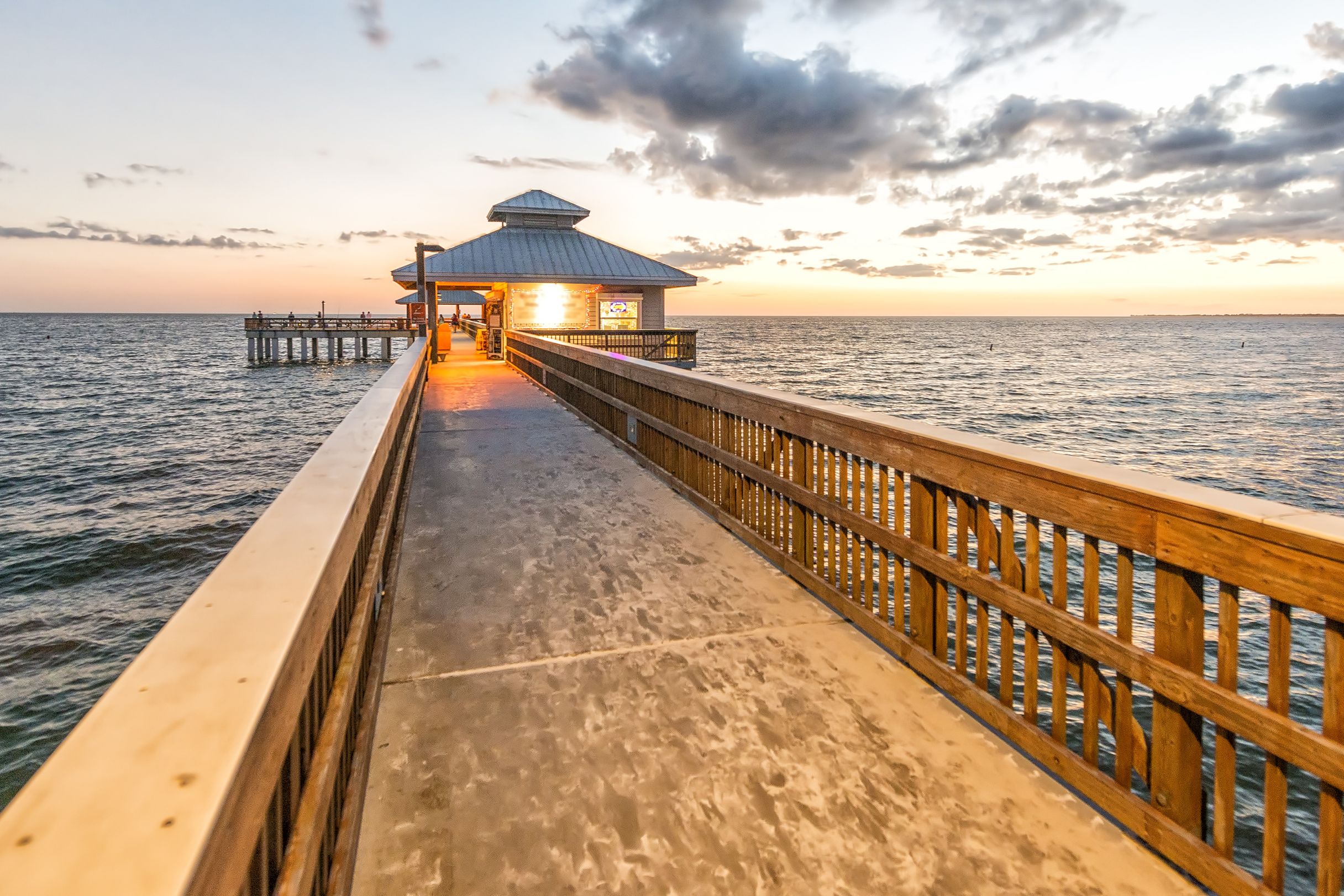
Final Thoughts: 7 Florida Towns That Look Like Retirement Paradise
Florida is still one of the best places in the country to retire, and every town on this list has a lot to love.
But the cost of living in Florida isn’t just about home prices anymore. Insurance, HOA fees, condo assessments, and hurricane prep can quickly turn a dream budget into a stressful one.
The smartest approach is to visit first, rent for a season, ask lots of questions, and run the real numbers before you buy.
Do that, and you’ll have a much better shot at finding your own little piece of paradise.
Safe travels!
Always On The Shore contains affiliate links and if you make a purchase, we make a small commission at no cost to you.
For more information, please read the disclaimer page.